

- This event has passed.
Annual Congress 2026: Wild Isles
24 August from 08:00 to 29 August from 17:00 Europe/London
AC 2026 is organized by: EGEA Berlin, EGEA Bochum, EGEA Brussels, EGEA Guildford, EGEA Hannover, EGEA Mainz, EGEA Turku.
Our congress will be about exploring the dynamic interplay across the landscapes of, societies within and legacies created on the Isles of Britain.
Contact us
Or email our participant team at participants-ac2026@egea.eu
Participant fee
Key facts
- Where: Sayers Croft Field Centre, Ewhurst, United Kingdom
- When: 24th–29th August 2026
- Cost: estimated 216 € (Group A)
- Scientific theme: Landscapes, Lives and Legacies
Description
The British Isles today are the result of a rich tapestry of events spanning from the dawn of continents to modern day geopolitics. These isles have sunbathed in Mediterranean seas during Pangea’s reign, to later be moved and carved into the mosaic of morphologies you see today by fluvial and glacial processes. The fertile soils, temperate conditions and abundant resources made the British Isles an attractive place to settle, and generations of settlers and invaders have made their marks too.
From tribal druidic Celts, expansionist Romans, opportunistic Pagan Anglo-Saxons and then the conquering Christian Normans, all these cultures and societies mixed together with the unique landscapes to create some of the most famous myths and legends the UK has to offer; from Arthurian legend with Camelot and Merlin, to Robin Hood and his band of Merry men, to everyone’s favourite Loch Ness Monster, Nessie.
So become part of the history, explore these Wild Isles like those who have come before, and let AC 2026 become part of this rich tapestry.
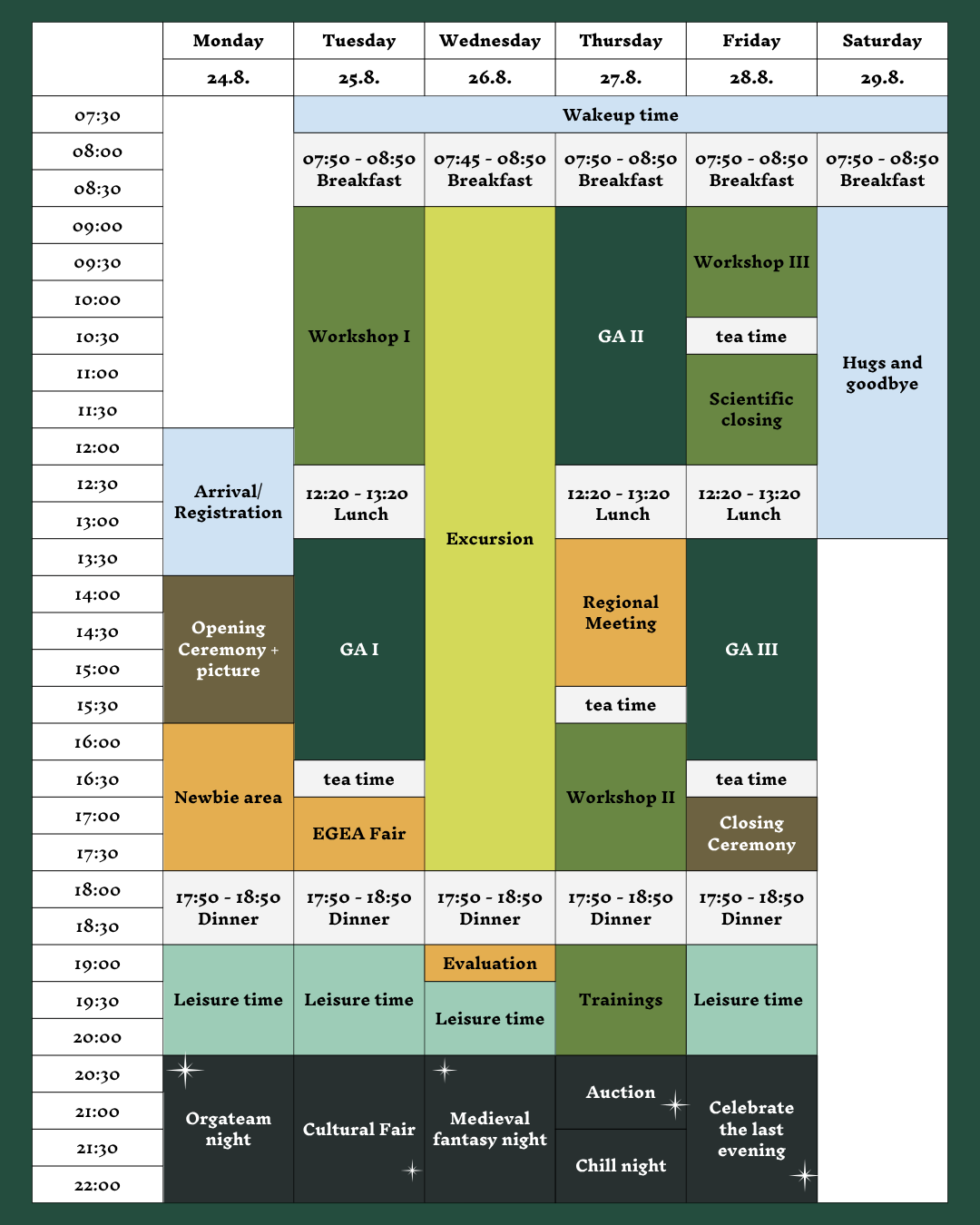
Our Program
Our Location
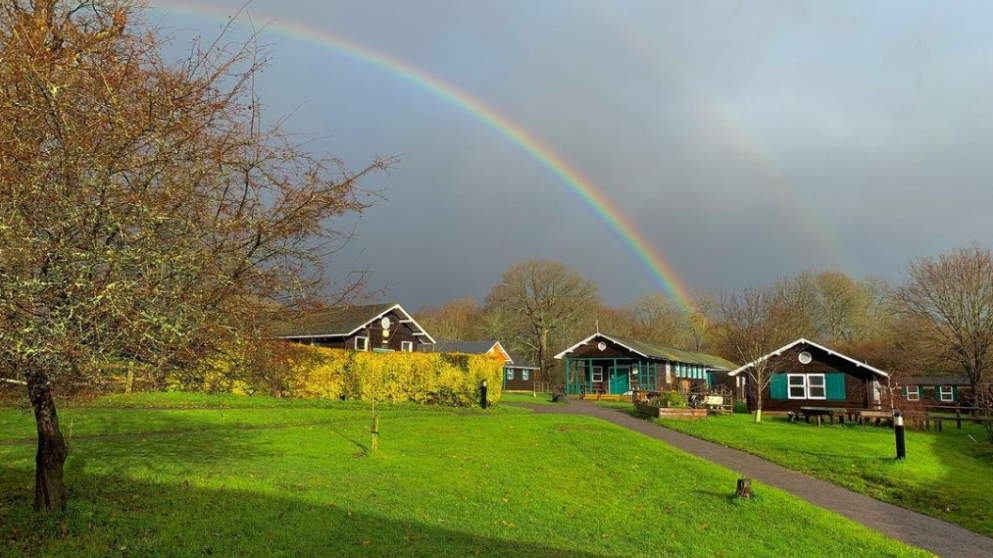
Sayers Croft Outdoor Learning Centre is located at the foot of the Surrey Hills National Landscape.
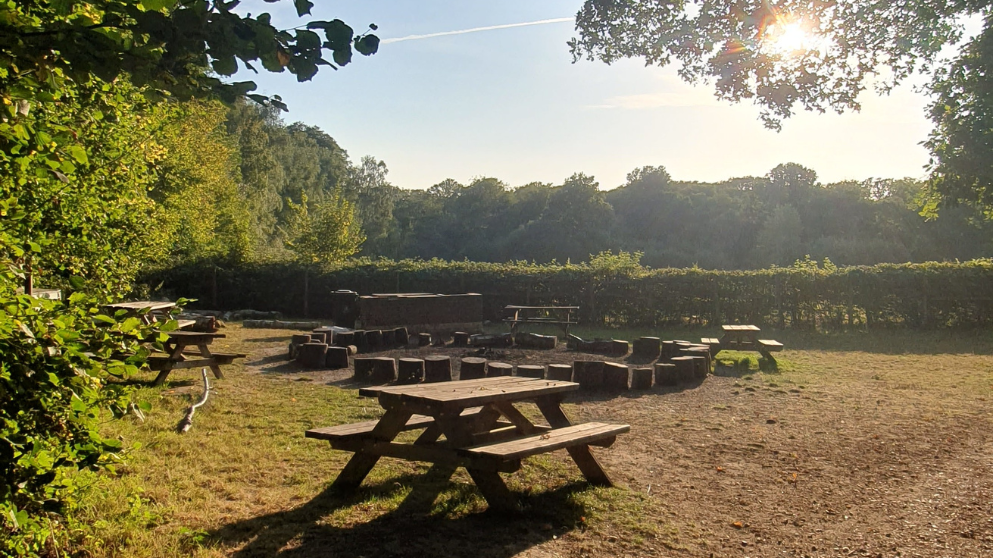
Our Accommodation
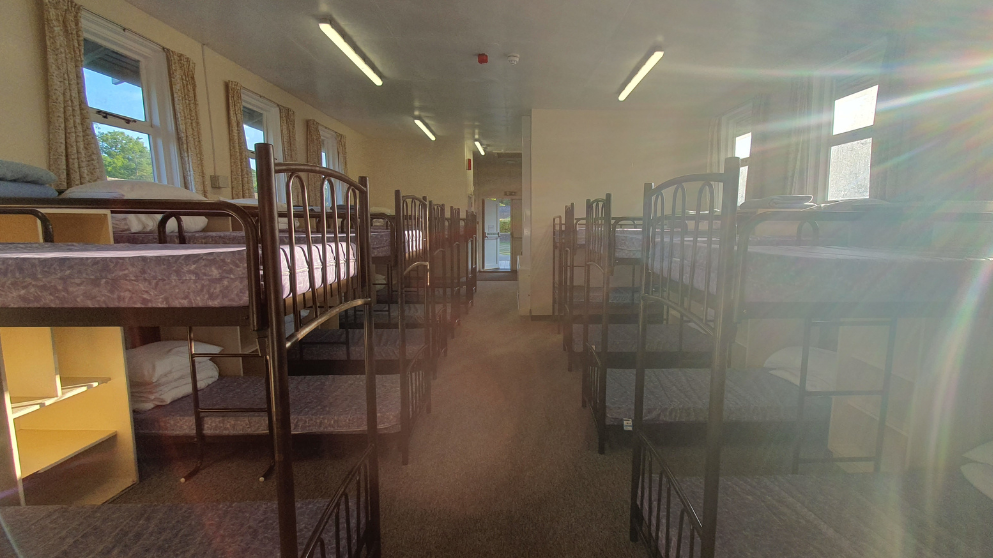
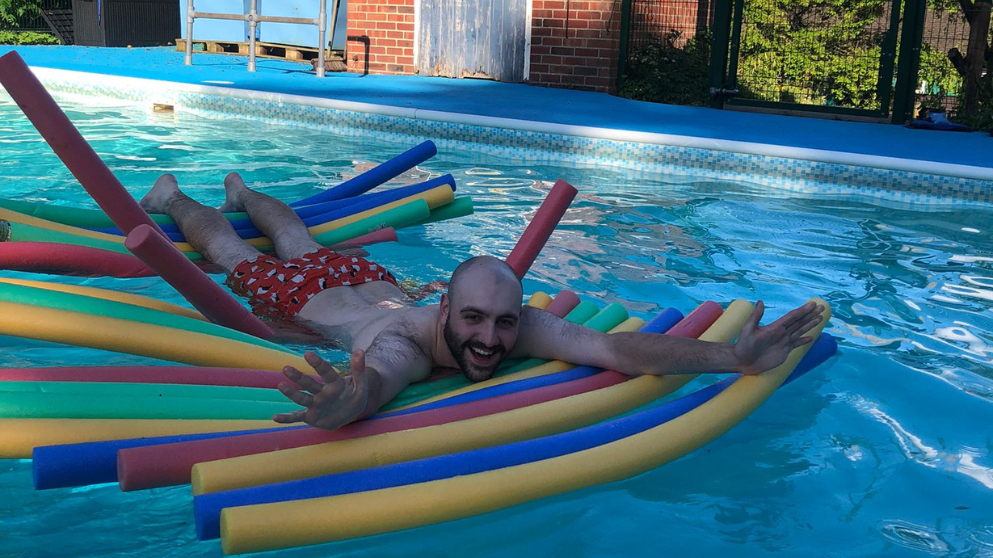
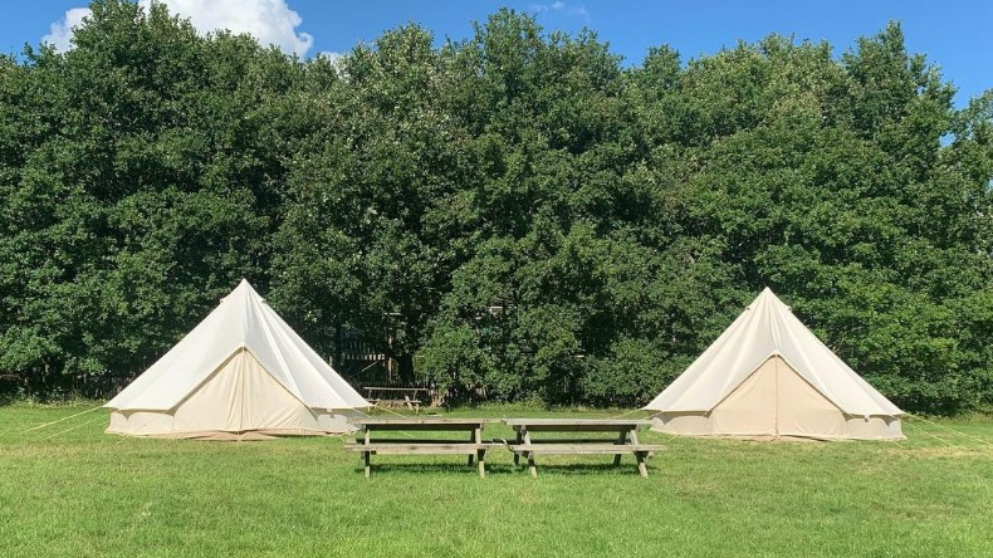
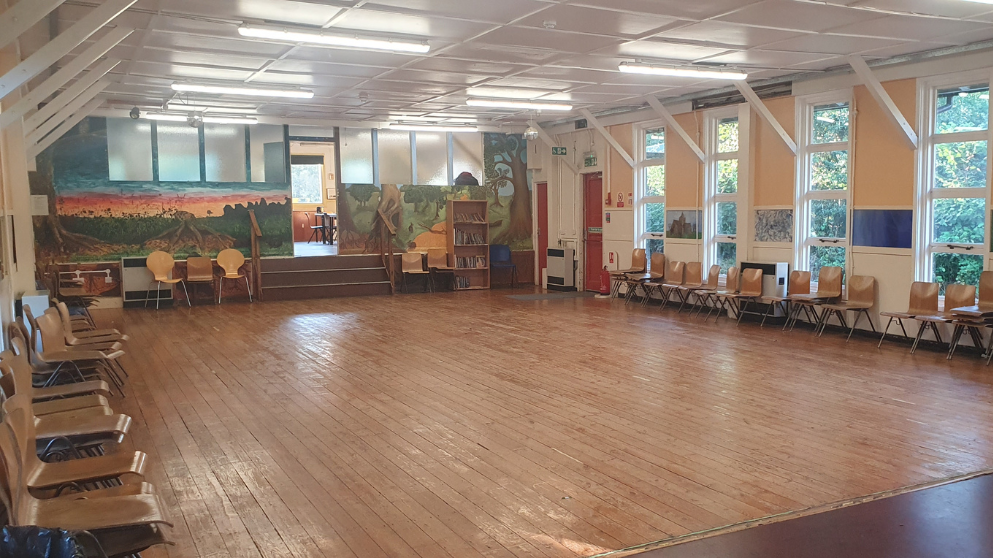
Our Workshops
The scientific focus of the congress is built around three interconnected thematic pillars: Landscapes, Lives and Legacies.
Through workshops and excursions, the programme explores how physical landscapes have been shaped by geological and geomorphological processes, and how human activity continues to transform them through land use, conservation, infrastructure and resource management. At the same time, the congress addresses social and cultural dimensions of geography, including education, mobility, agricultural practices and everyday life. A strong emphasis is placed on historical and long-term perspectives, such as the evolution of settlements, language, and the lasting impacts of political and economic decisions.
Our Trainings
Trainings in EGEA are ways for other EGEAn’s and external partners to provide our members with quick useful insight into a new skill across a range of topics which they themselves are proficient in/at. Please read the descriptions below to see what we are offering!
Our Excursions
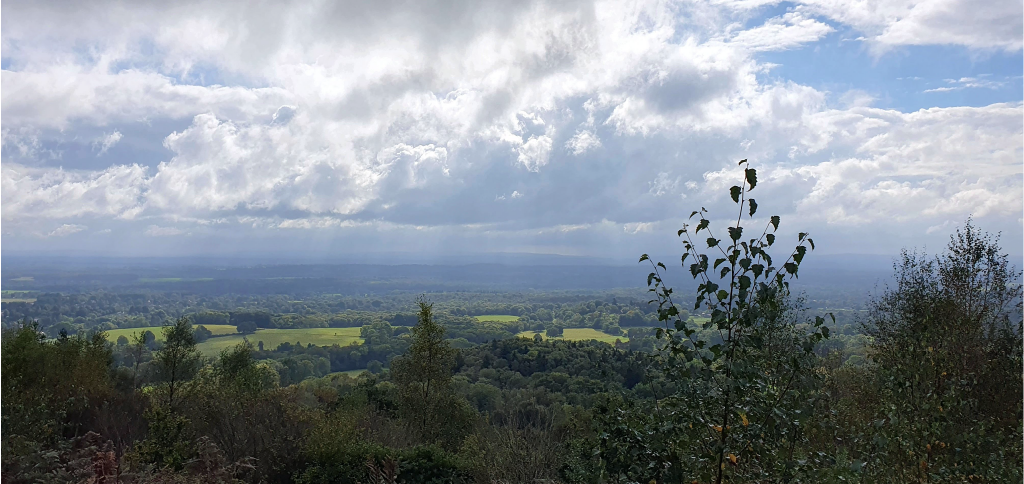
Gentle Stroll (easy hike) – Pitch Hill & Cranleigh walk
A gentle climb up Pitch Hill, then a scenic return through Cranleigh. Get ready to follow in the footsteps of past generations as you embark on the classic Sayers Croft Pitch Hill walk with an additional pub visit!
– 12 km walk.
Leisurely Constitutional (medium hike) – Milk Churn and Firebird Brewery visit
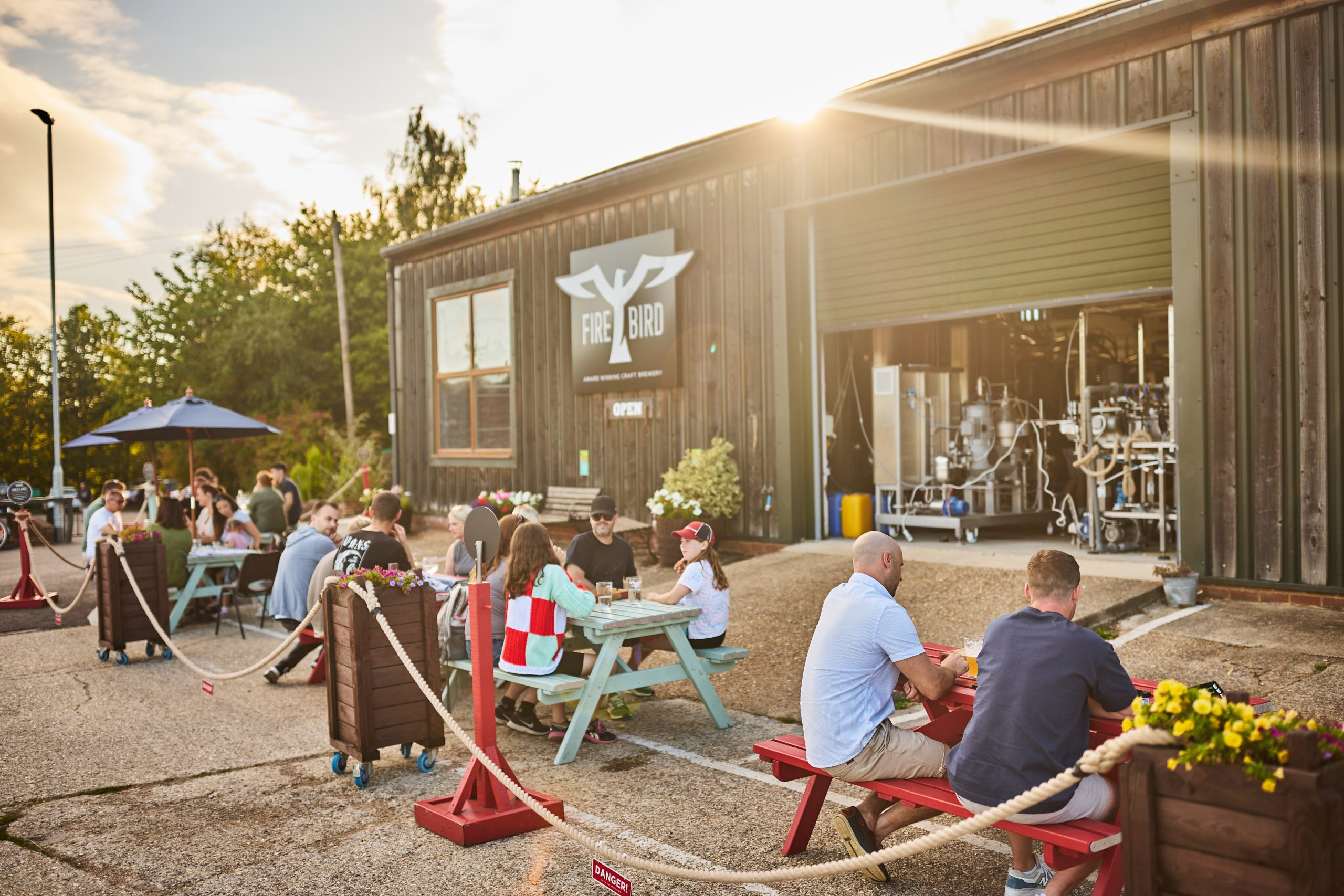
A beautiful walk in the English countryside through woodlands and meadows, next to cow pastures. Stop by for famous cheese on toast and a brewery next door – what more can you ask for?
– 15 km walk.
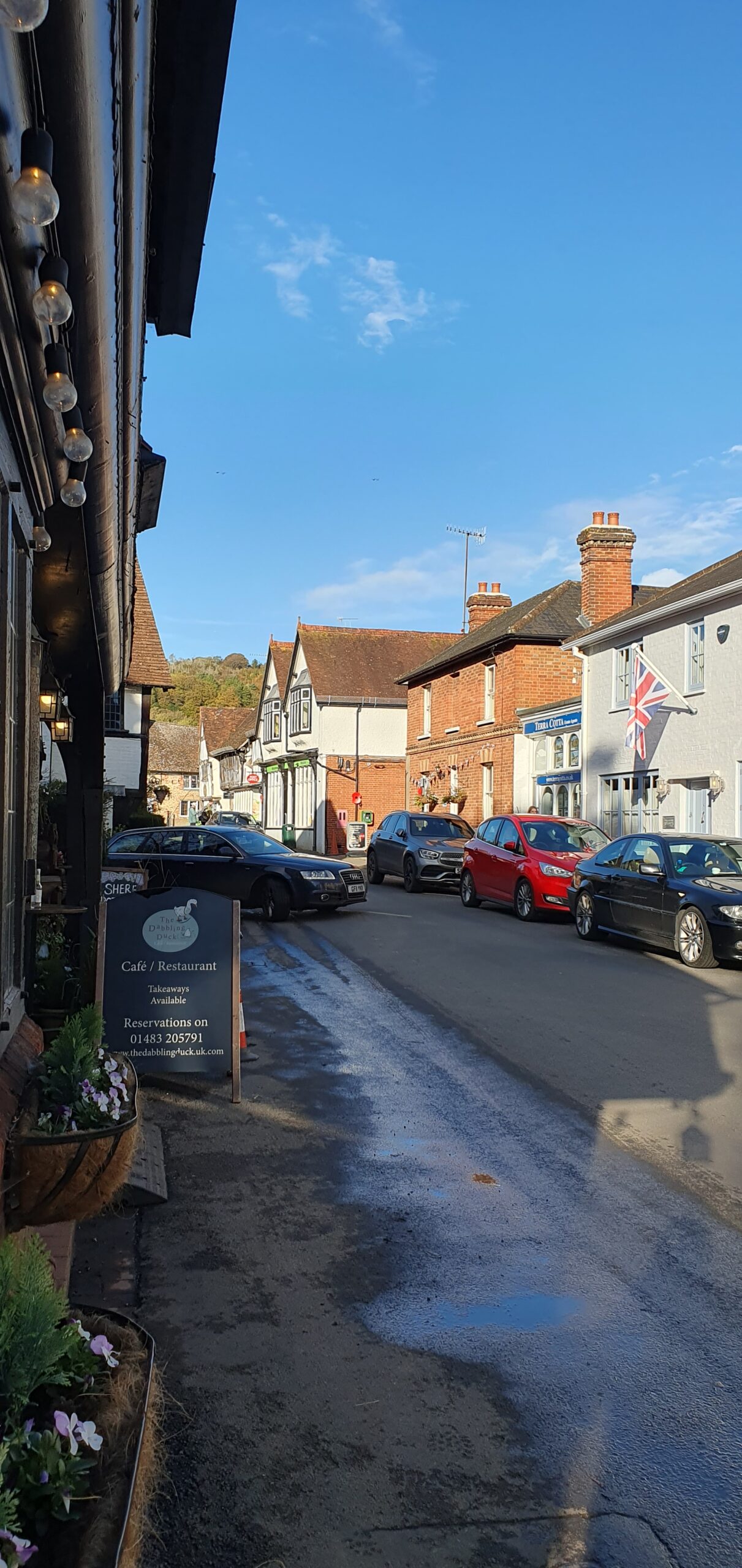
Long Ramble (Hard hike) – Trip to Shere
Challenge yourself with a climb via Winterfold forest and then reward yourself with a beautiful tour of the quaint historic village of Shere – and maybe some tasty ice cream. This hike gives you local nature and a village all in one excursion.
– 20km walk
Jolly Romp (Hard hike) – Leith Hill House Cream Tea experience
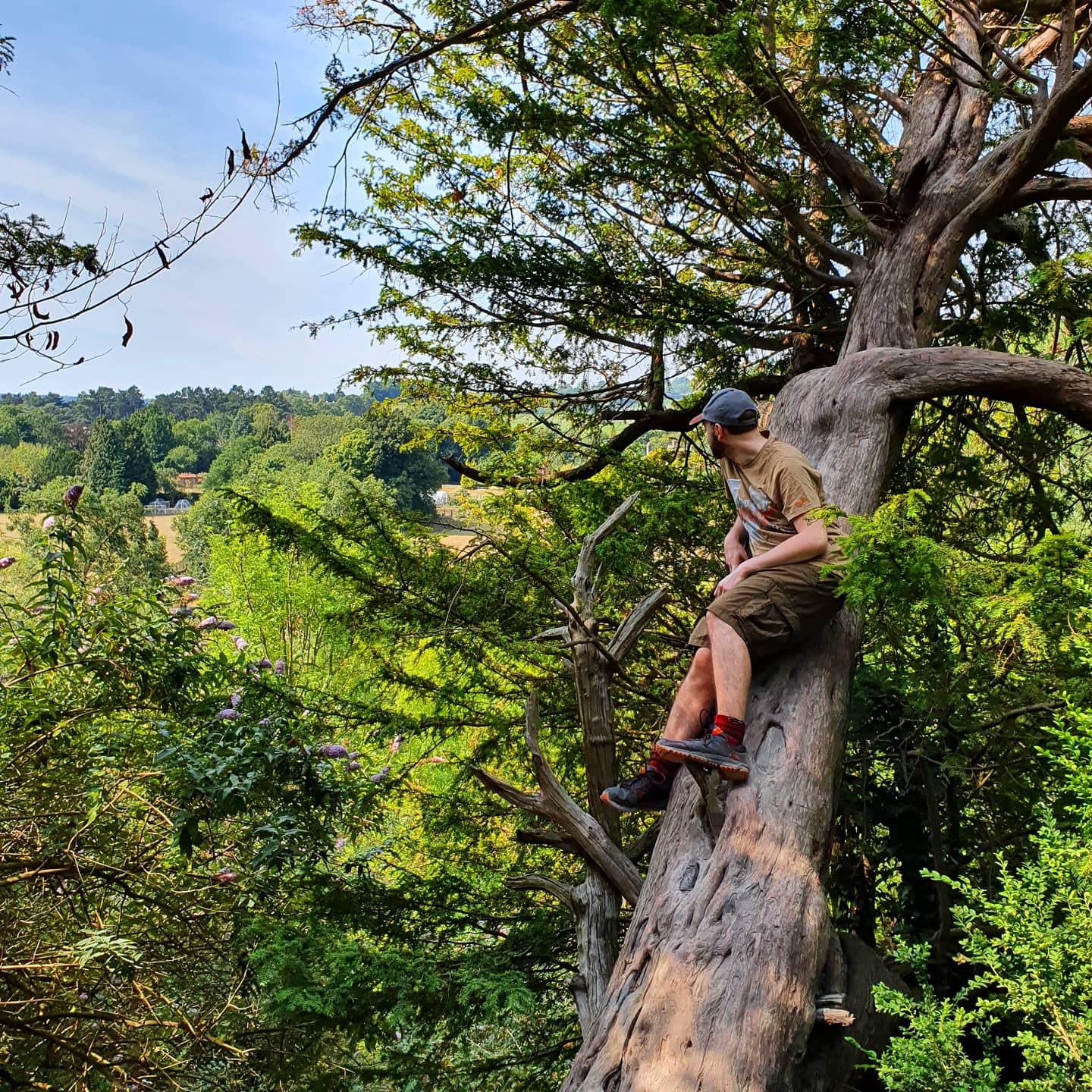
Do you fancy climbing a hill to Surrey’s highest tower to see beautiful scenic views? Or a classic British cream tea with a gorgeous view from an old Victorian mansion? Well, this is for you! Not for the faint hearted though but a full on day out!
– 20km walk
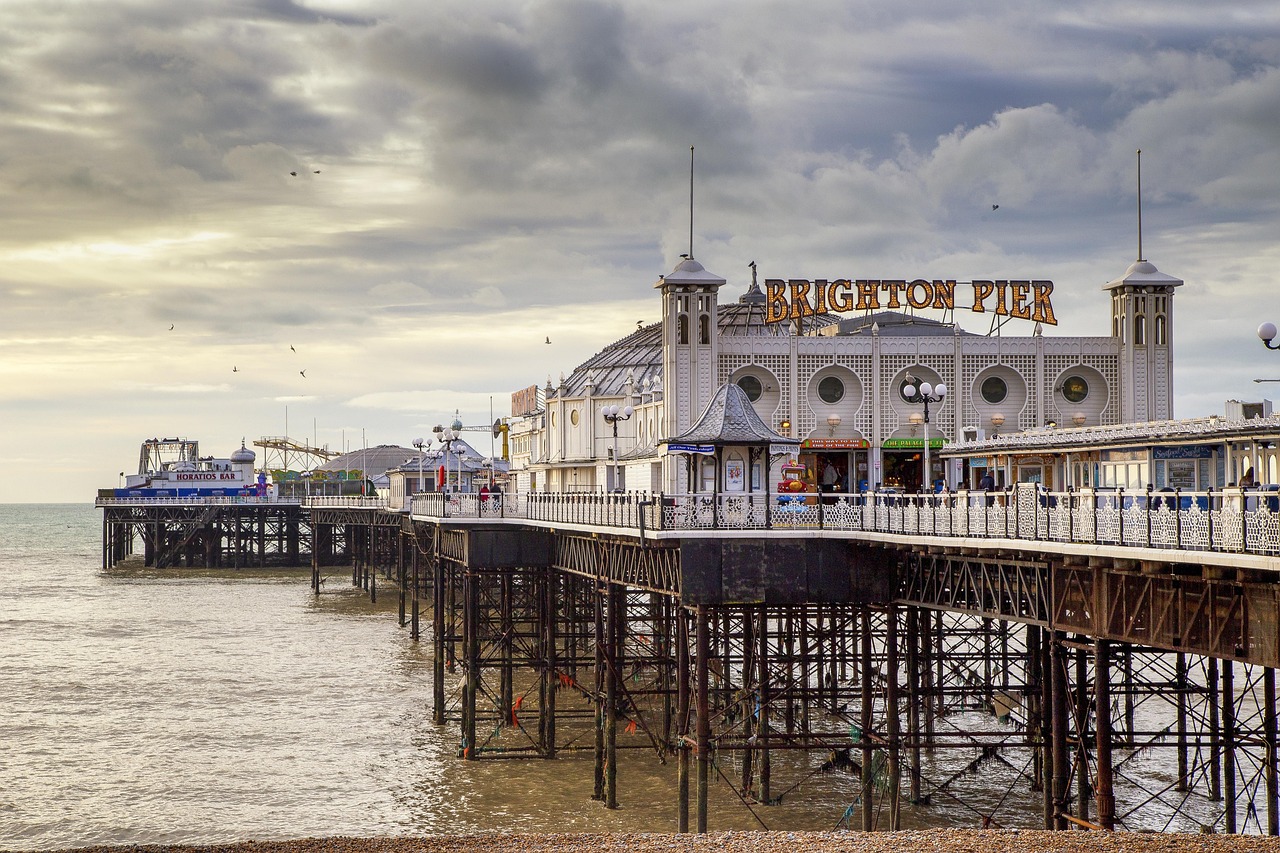
Trip to Brighton
Bus trip to enjoy a seaside escape, perfect for a day of sun, sand, and city vibes. Explore the picturesque Lanes of the town. Visit the arcades on the pier or equally spend some quality time jumping in and out of the sea!
Trip to Knepp Wildlife Reserve
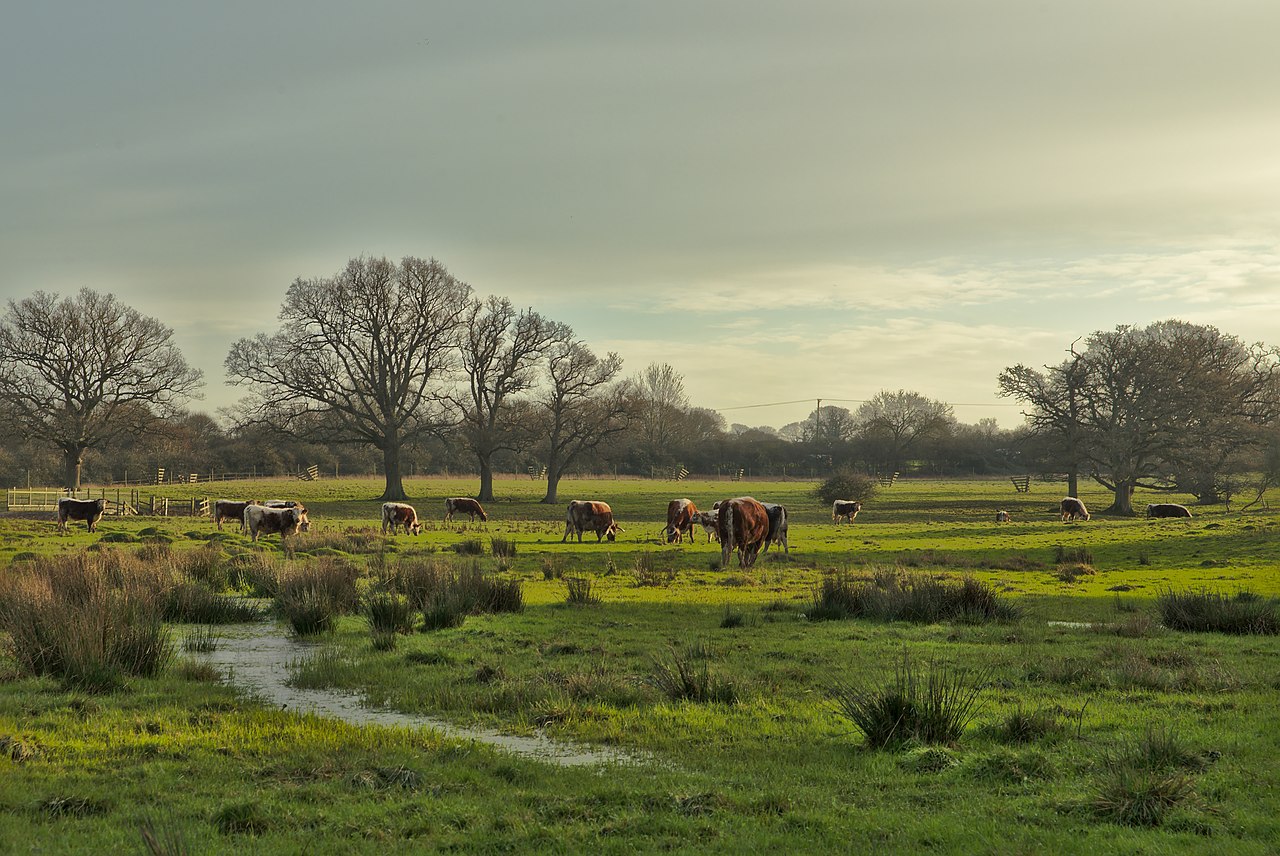
Bus trip to discover wild nature up close with beautiful walks (ranging from 5km to 13km). Step on the trails of a rewilding project and learn about the species and habitats. Meadows, wetland, tree houses and a cafe/restaurant to enjoy.
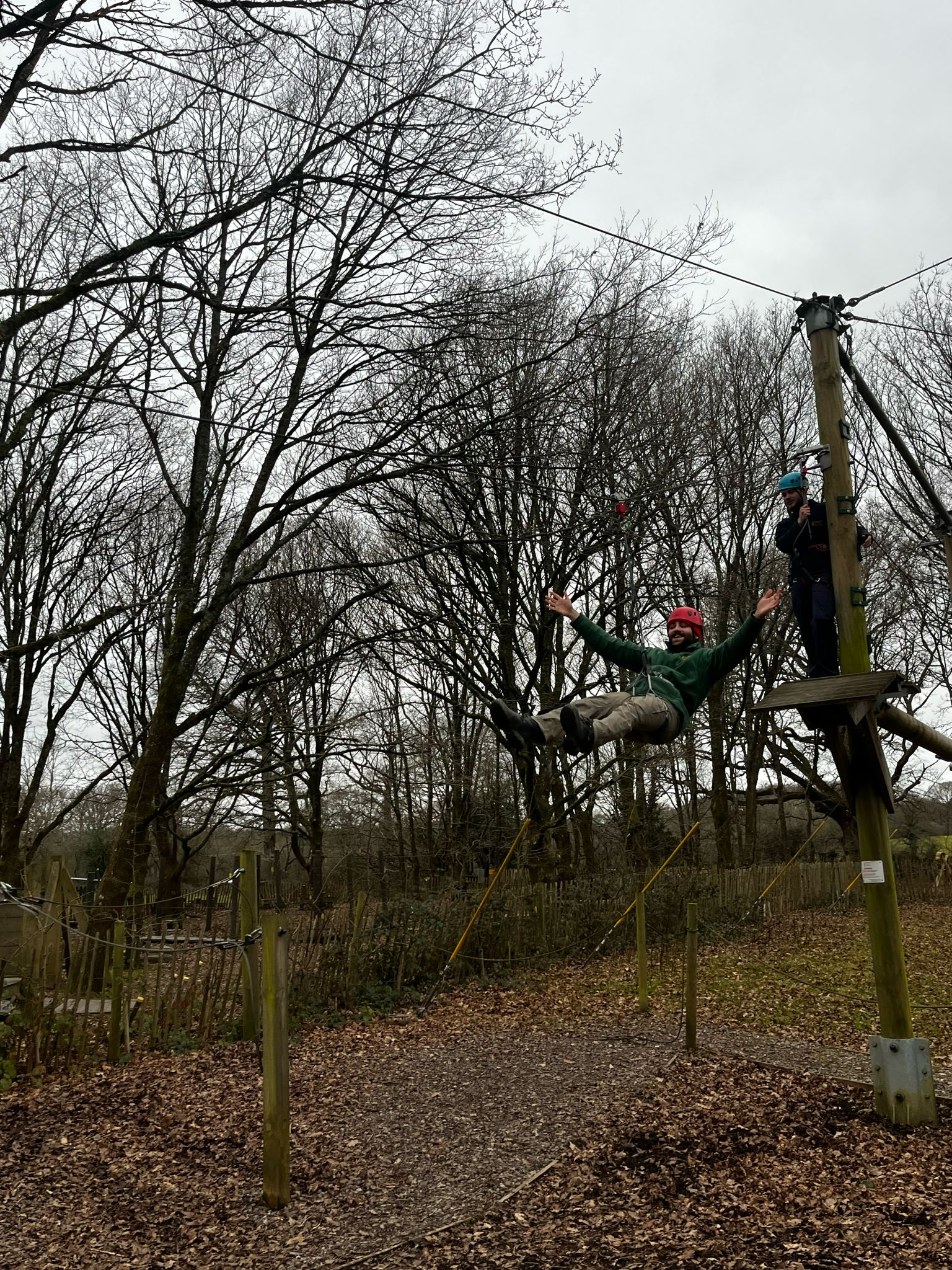
The Sayers Croft package
Led by two Sayers Crofts staff, Stephanie and Saskia, they will give you a quick taste of what our centre offers. You will have the opportunity to learn and experience ‘Forest Bathing’ with Stephanie and throw some axes and zip around on our high ropes course with Saskia.
Leisure Programme
Orga Night (Mon 24.8.)
Small and fun activities to get you more familiar with the home countries of our Orga Team.
Bring: shoes and clothes that are ok on the grass field next to main hall.
Cultural Fair (Tue 25.8.)
An event dedicated to showcasing the traditional food, drinks and outfits of each country we have participants from!
Bring: something to offer other participants and tour the tables of other countries represented.
! Please do not forget to check your airline’s luggage restrictions and the UK import regulations on what you are allowed to bring along. We would not want to lose something awesome due to a formality.
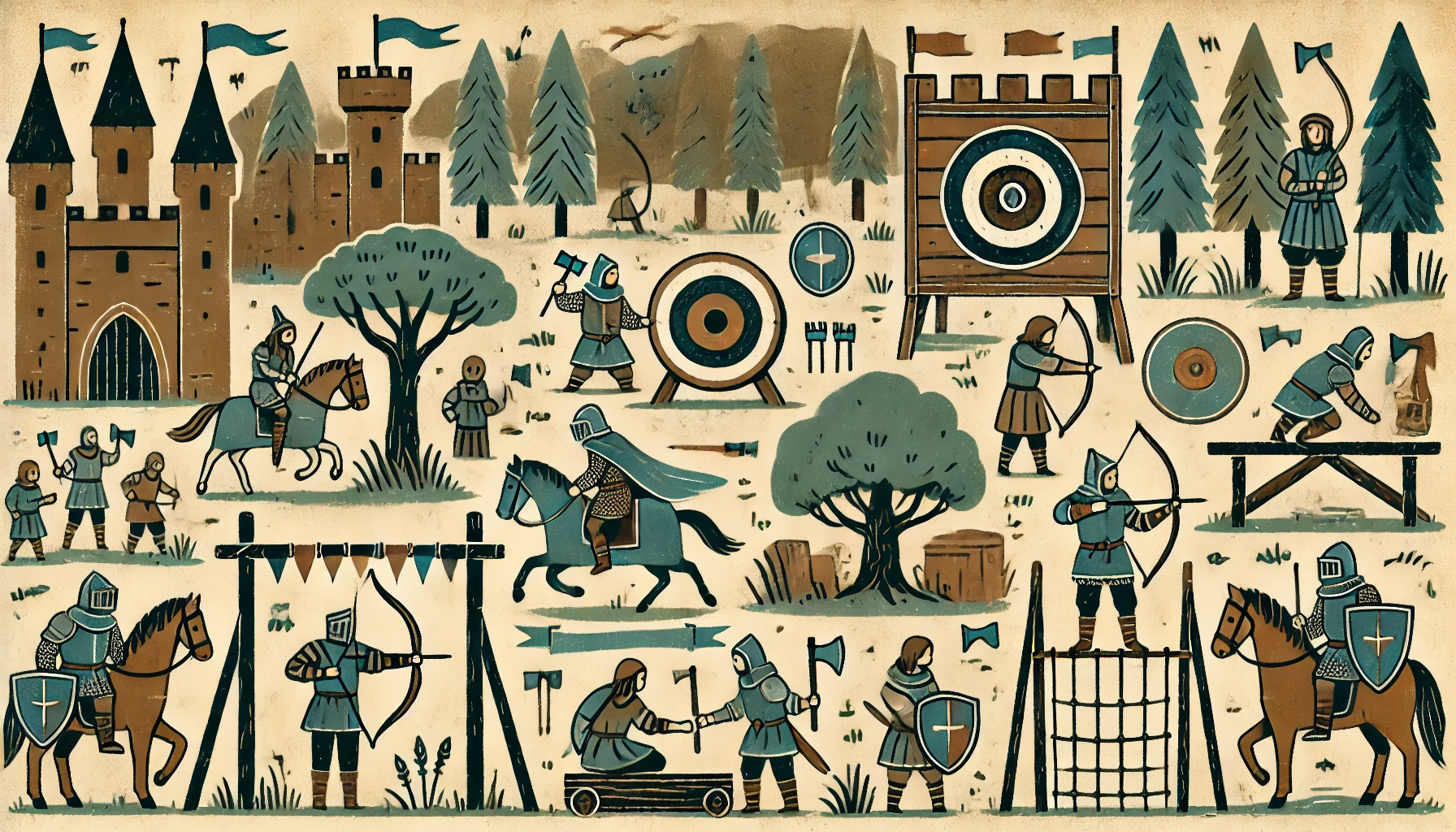
Medieval Fantasy Night (Wed 26.8.)
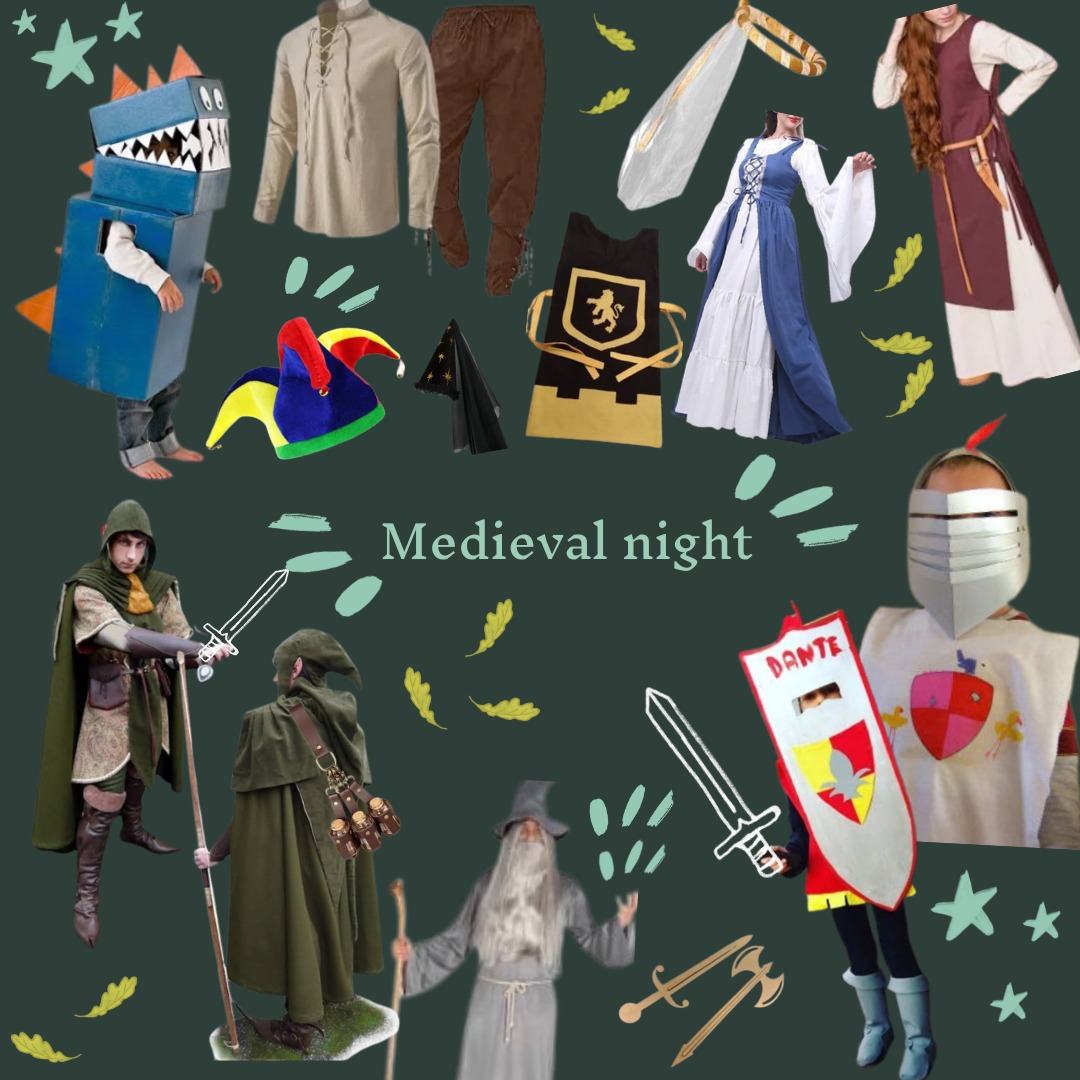
This is your chance to go all in with a medieval / fantasy outfit. Bring an outfit inspired by a knight, monarch, dragon, jester, …
There might be a Photo Booth for you to take photos worthy of your outfit!
Auction (Thu 27.8.)
As is traditional, we’ll also organize an EGEA Auction. These are well know for being the funniest and most interesting auctions you’ve ever yet encountered! Essentially, items and packages from EGEAns, bid by EGEAns and the raised funds are directed to the Support Fund and EGEA Support Ukraine.
Just a few examples of what you could bring (but please remember to check the UK import regulations):
- an interesting item from travels
- regional delicacies such as homemade honey, jam, wine, beer, you name it
- EGEA merch
- self made hand crafts
- offer an activity package such as weekend trip in your city hosted and companied by you ect…
Chill Karaoke Night (Thu 27.8.)

Prepare to sing your favorite karaoke songs and celebrate a night of music by immersing yourself in hits of different eras.
Bring: dress up as a music icon or matching to your favorite genre! Take inspiration from a musical or dress up as a band together with some friends.
Last Night (Fri 29.8.)
Traditional final night celebration by teaming up and competing against other teams. More info and signing up follow at the congress.
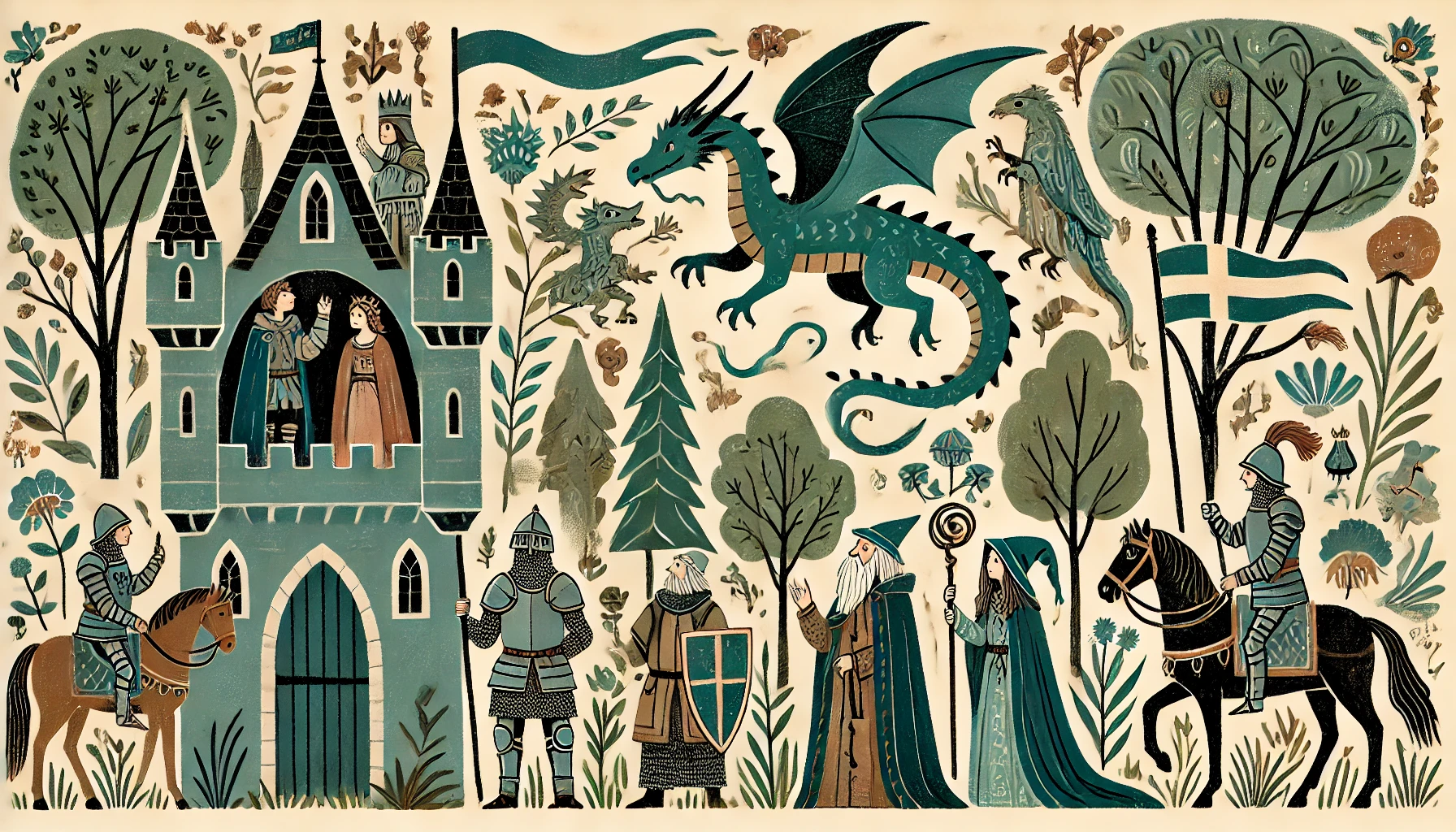
The Facilities we offer
- Three big fields – good space for movement (first aid etc.)
- Three campfire circles – good space for discussions
- Six dorm classrooms with projectors – good space for presentations/table work
- Craft room with supplies – good space for more craft-based training
- Willing local experts e.g. archaeology group etc. – useful local experts
- 56 acre woodland – good for meditation/botany/orienteering skills
- Shelter building area – good for survival/bushcraft skill
Our Orga Team
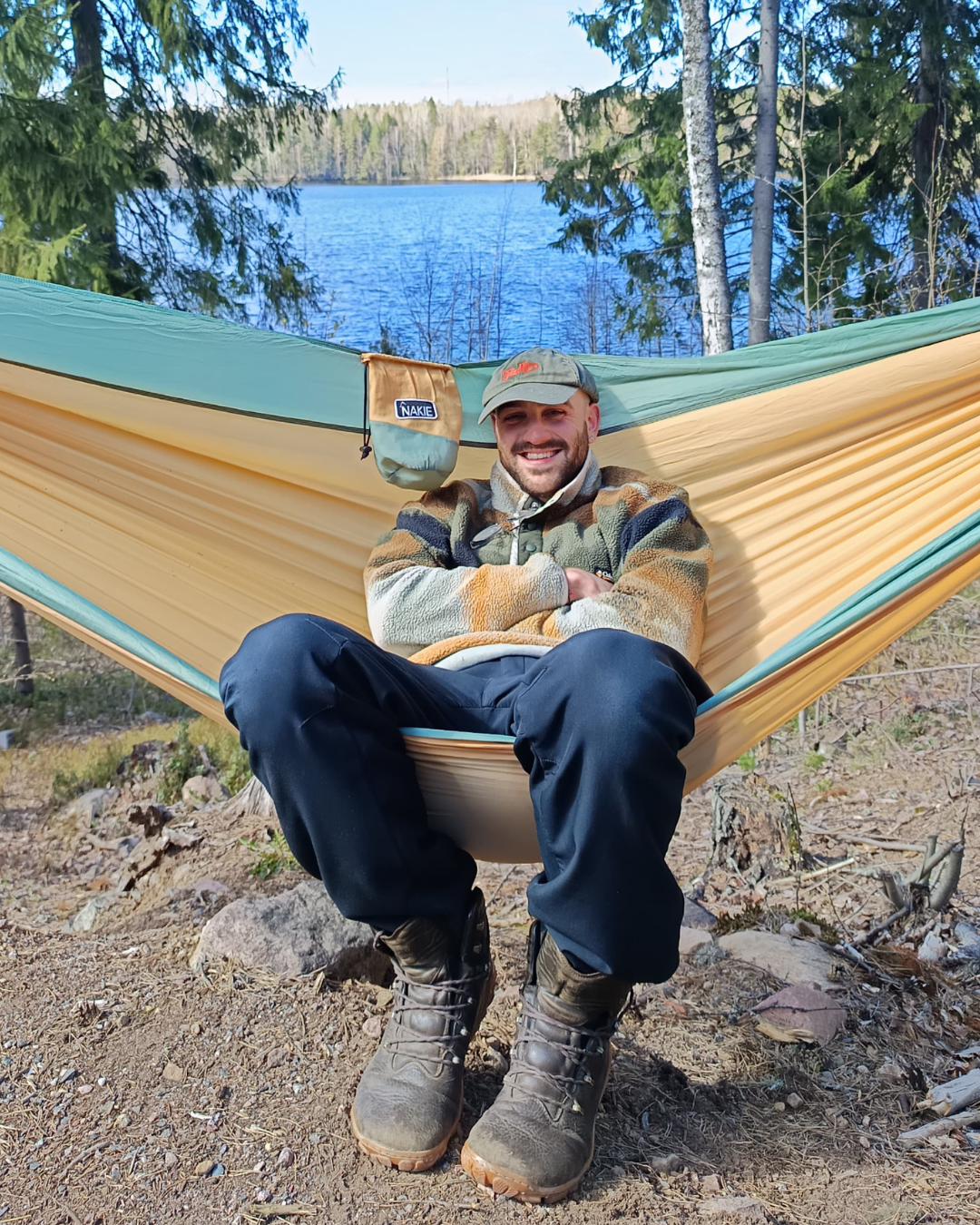 Jared Young – Main Coordinator
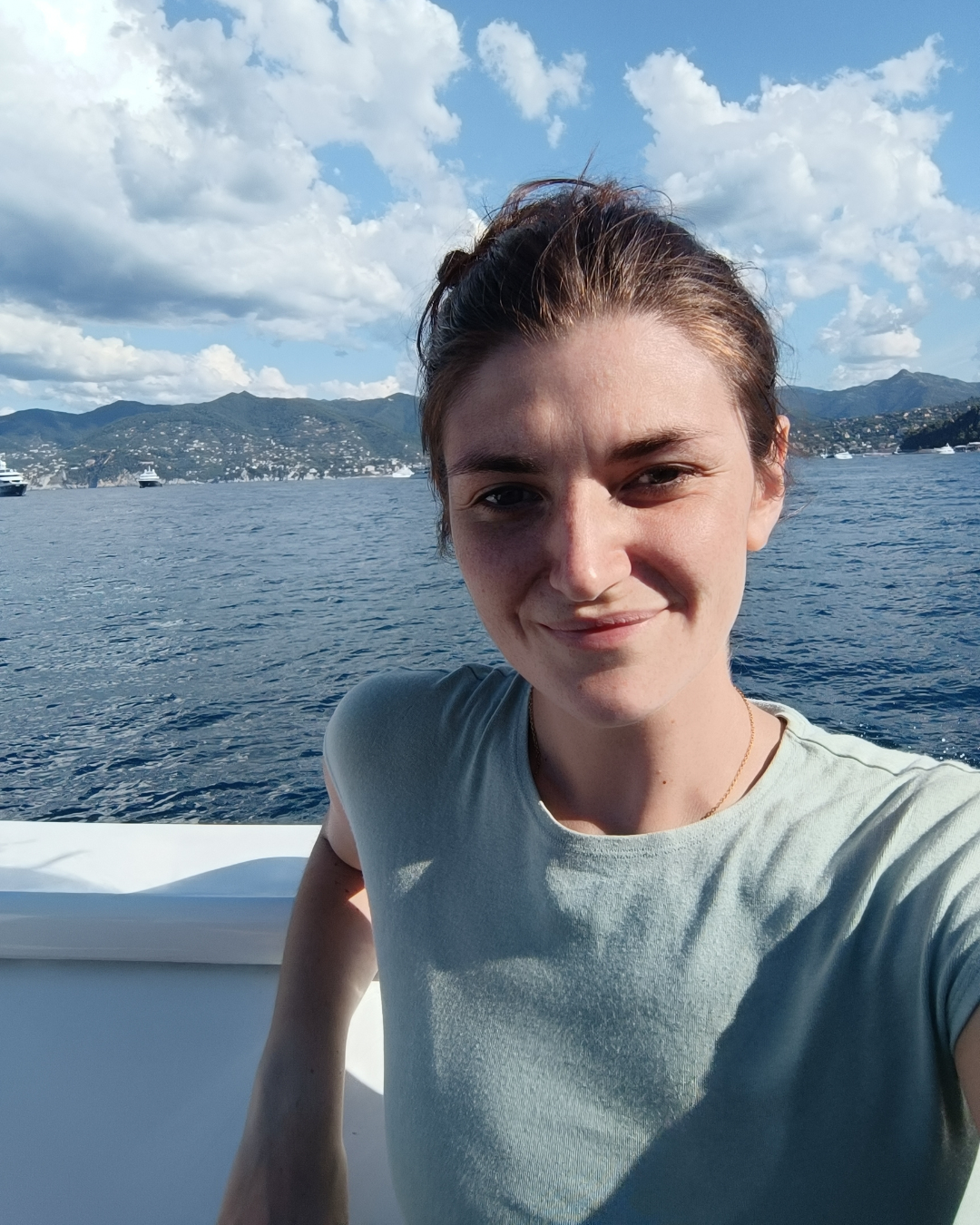 Micol Alessandri – Main Coordinator
 Alexander Basten – Main Coordinator
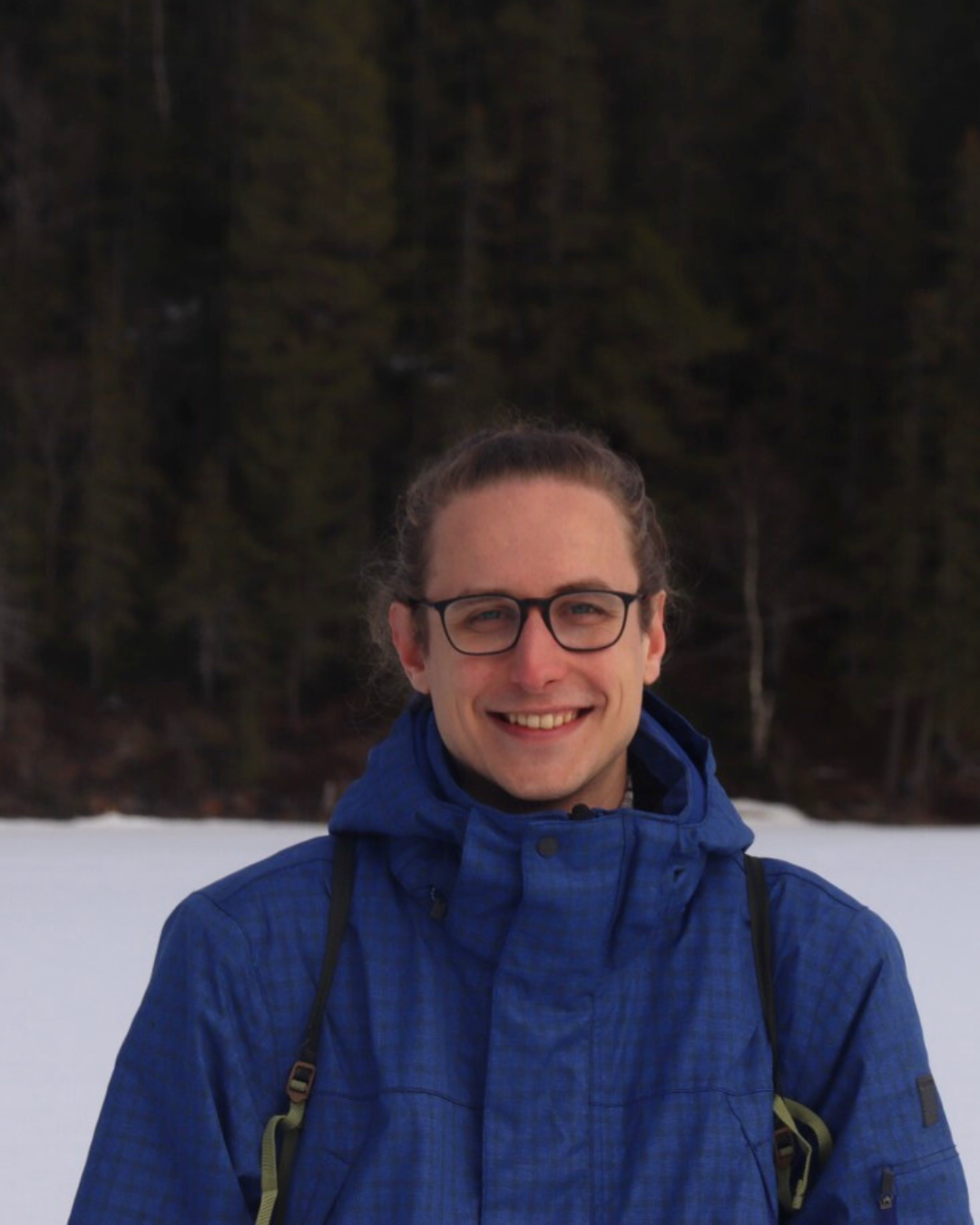 Jonas Martens – Financial Coordinator
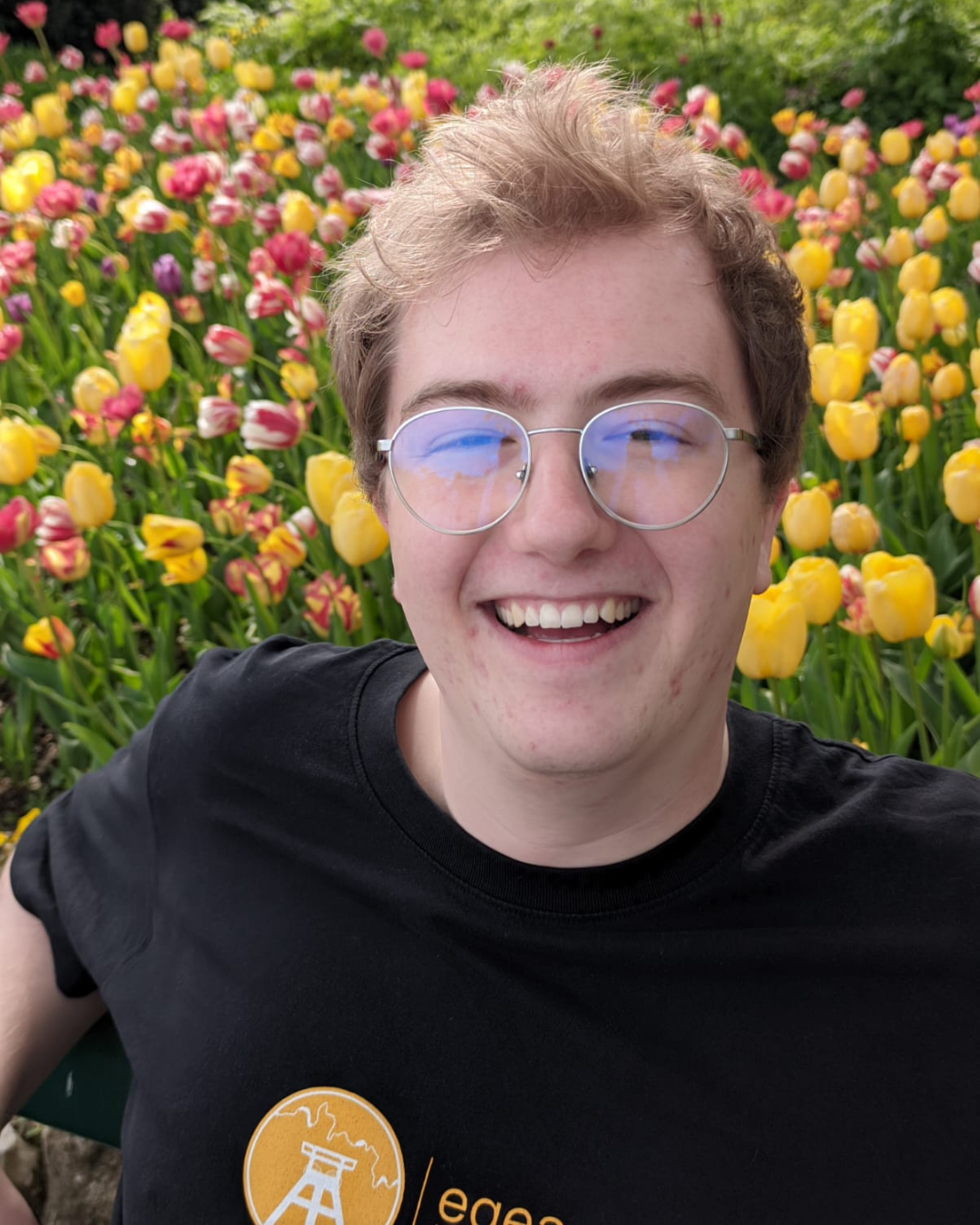 Matthew Becker – Fundraising Coordinator
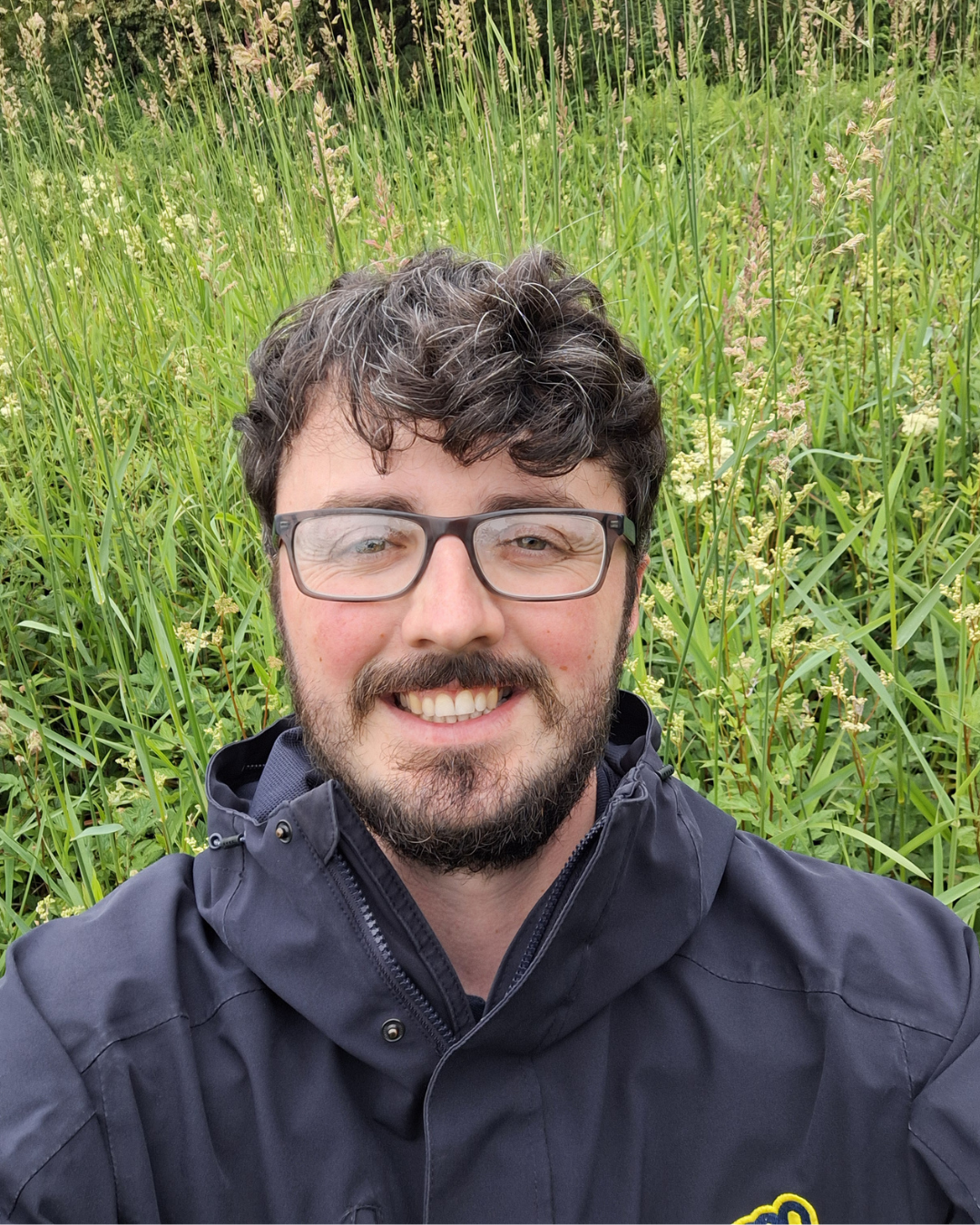 Daniel Mclaughlin – Fundraising Coordinator
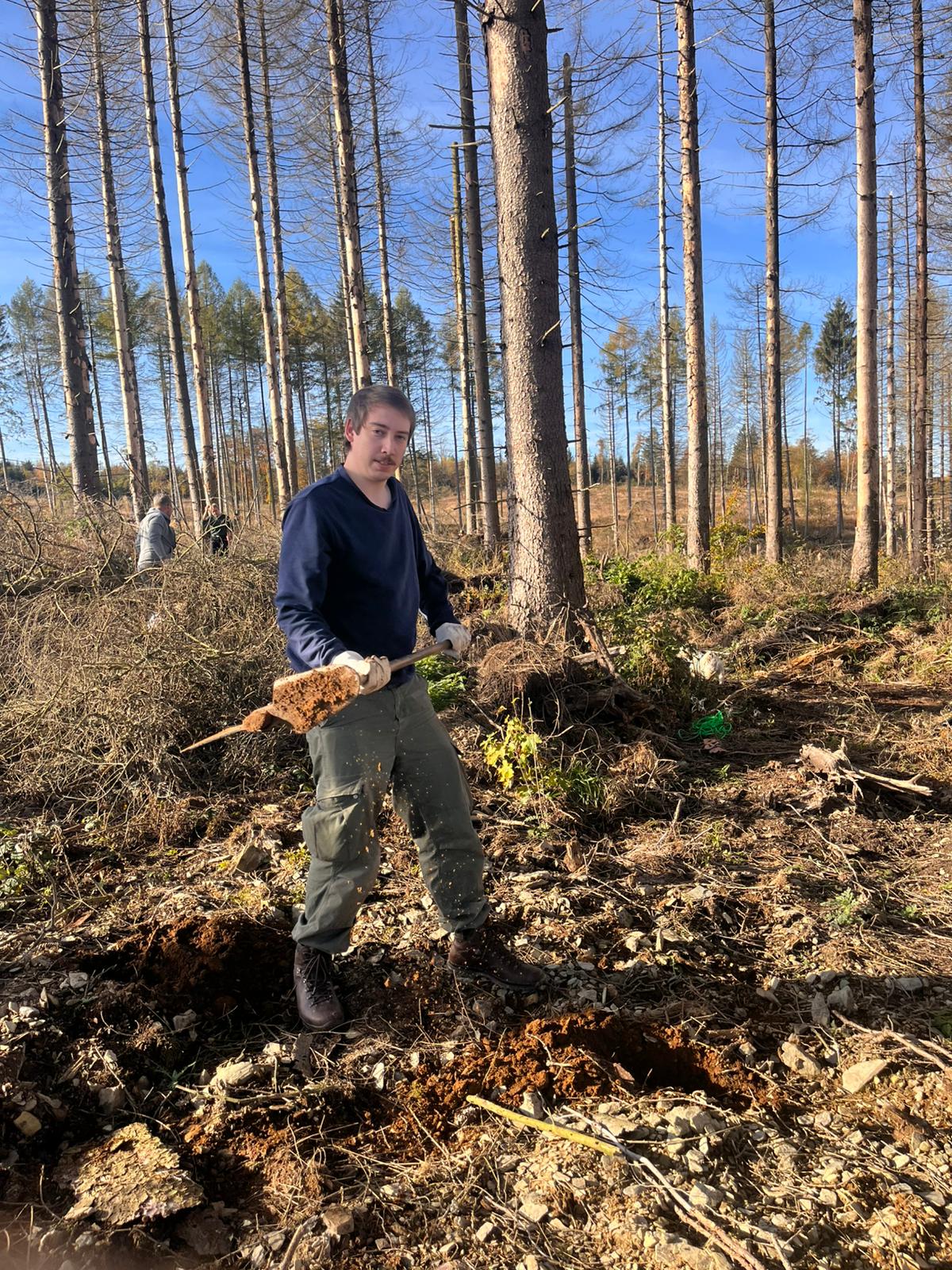 Lars Kohlmeyer – Scientific Coordinator
 Josefa Loreth – Programme Coordinator
 Carina Farcas – Leisure Coordinator
 Karla Fuentes – Leisure Coordinator
 Zoe La France – Participant Coordinator
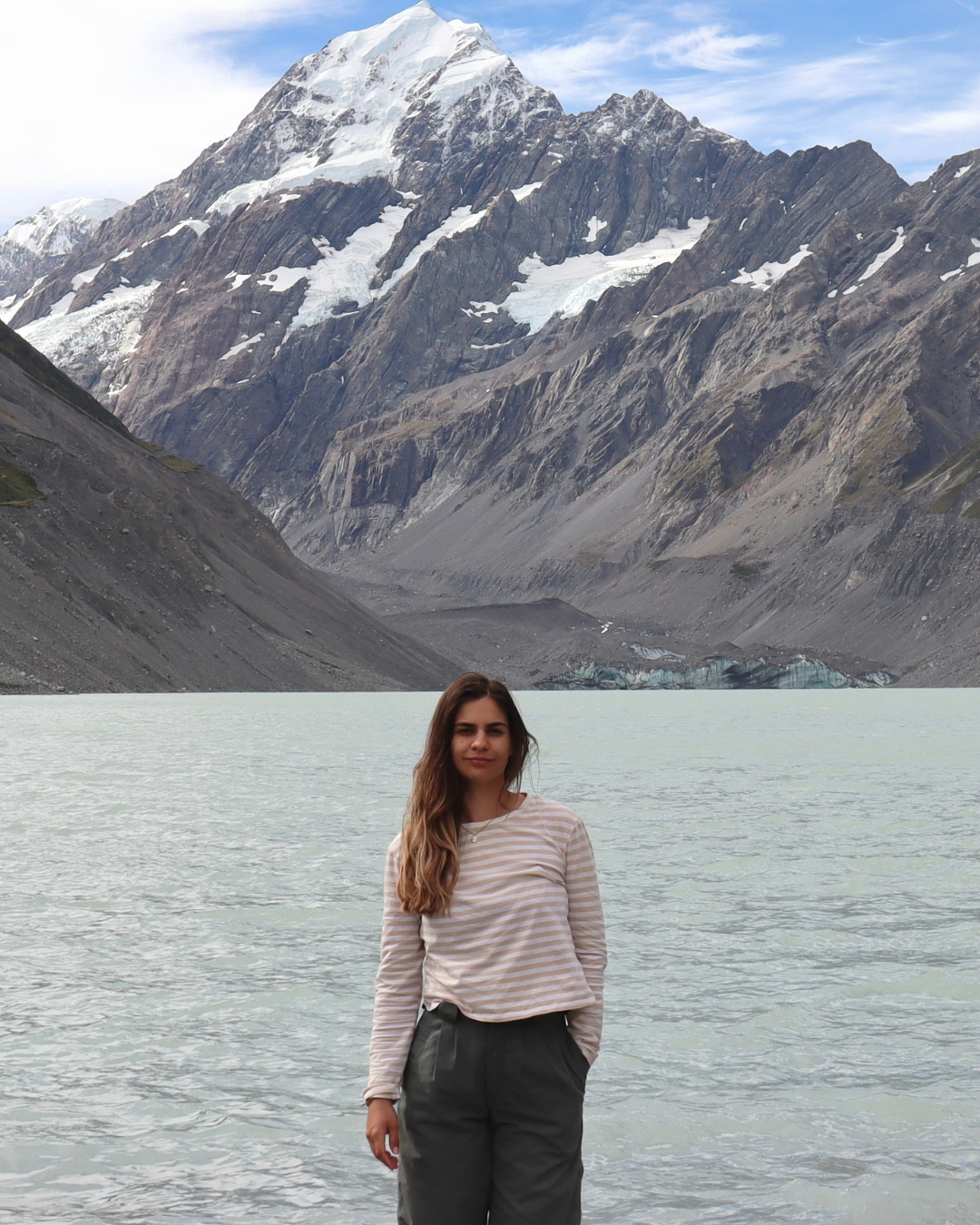 Maria Prundis – Participant Coordinator
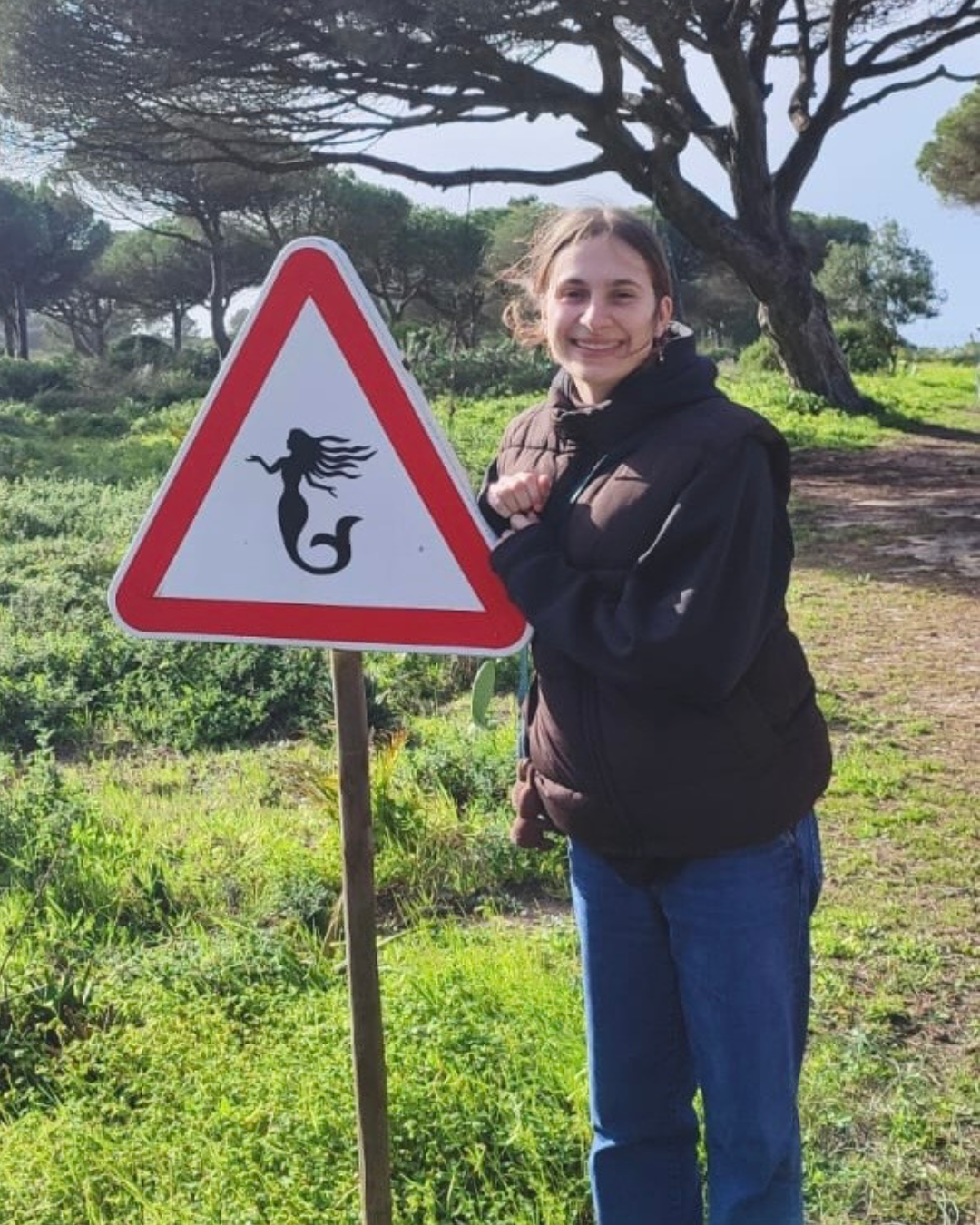 Arielle Montigny – Media Coordinator
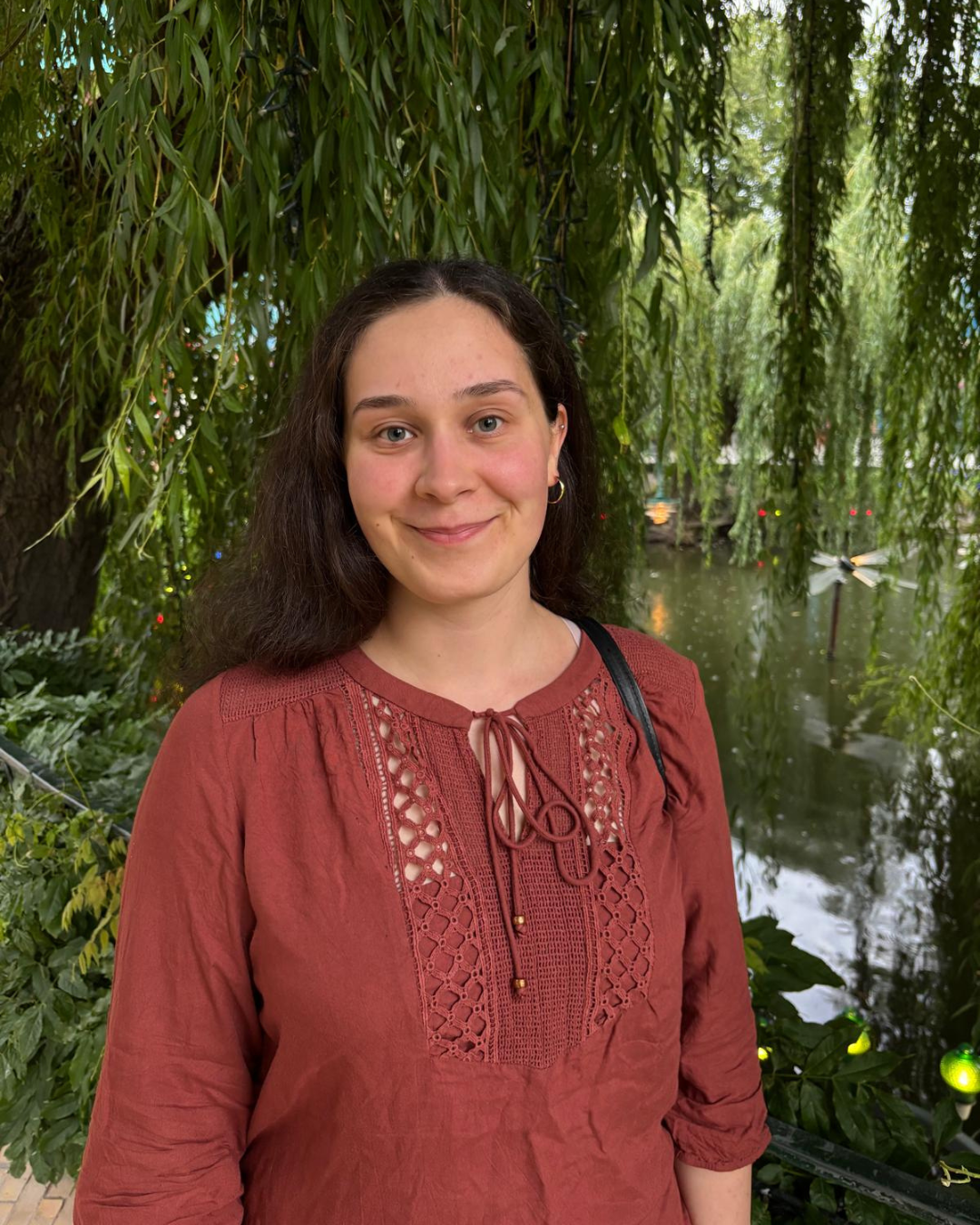 Veera Niemi – Media Coordinator
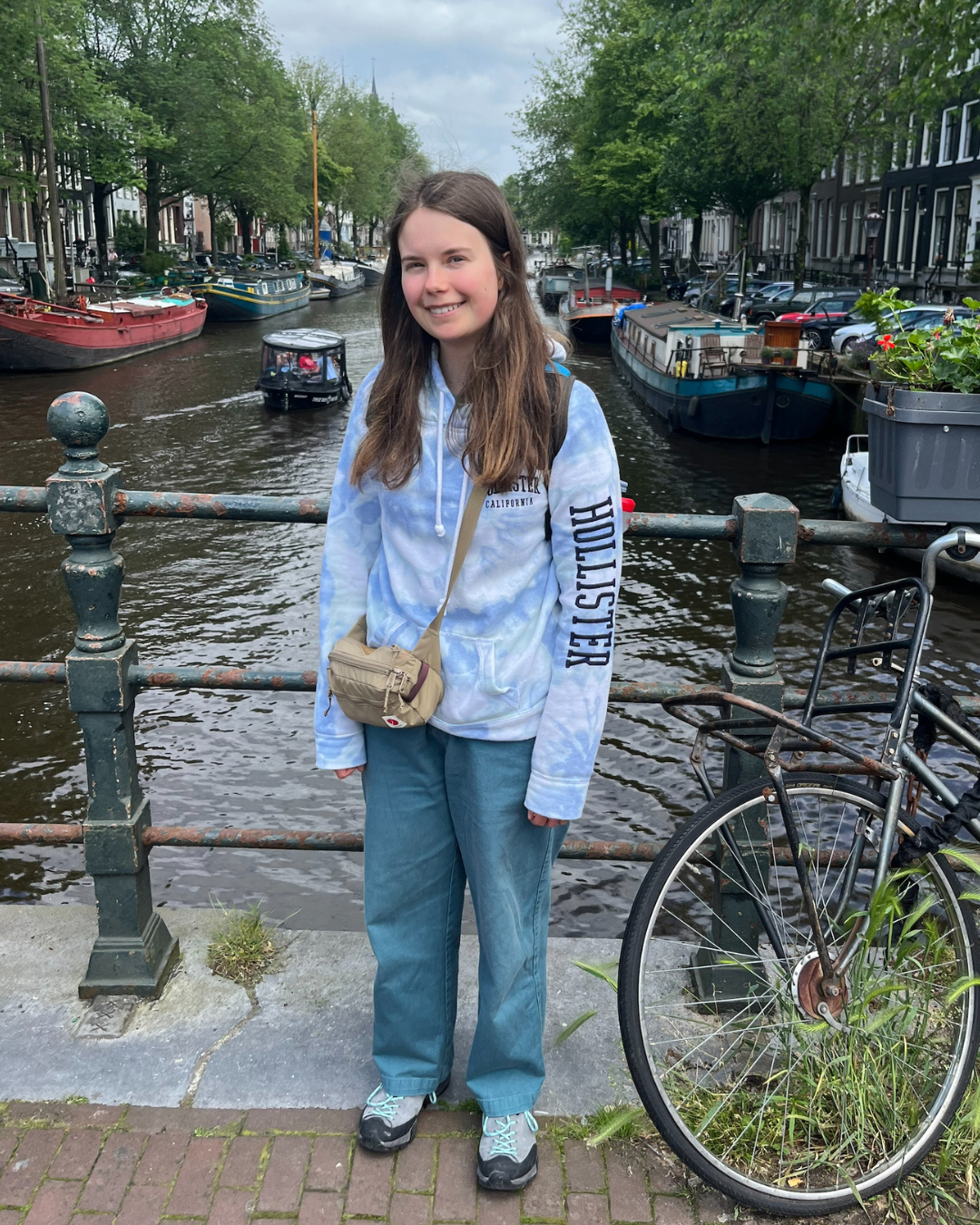 Verity Addler – Green Coordinator
Our Green initiative
Our proposal to host the Annual congress 2026 ‘Wild Isles’ not only facilitates many EGEAs to visit the UK who haven’t yet been able to, but also allows them to do so via some truly spectacular methods of transport. As such, we are promoting our Green initiative to help create awareness to the variety of options available and we want to encourage EGEAns to travel in groups to make memorable travel experiences.
During the congress we also will be including a sustainability bingo for our participants to play throughout the week. This involves fun tasks revealed each day and the opportunity to win prizes while making a positive sustainable impact.
How to get here?
The AC 2026 takes place at Sayers Croft Field Centre, Cranleigh Road, Ewhurst, United Kingdom. Below you’ll find the travel directions to the accomodation.
By plane: Fly into London Gatwick or London Heathrow. If you plan to fly to Luton or Stansted please check the cost and travel time before booking as UK train prices are expensive!
- From Gatwick Airport: Take a direct train from Gatwick Airport Station to Guildford.
- From London Heathrow: Take the RailAir bus to Guildford.
By Eurostar: Travel to London St Pancras International, then make your way across London to London Waterloo by Underground.
By coach: International coach services arrive at London Victoria Coach Station. From there, travel to London Waterloo by Underground.
- From London: Take a direct train from London Waterloo to Guildford.
From Guildford to Ewhurst: Walk to Friary Bus station and take bus 53 towards Ewhurst. Get off at Gadbridge Lane. Sayers Croft is a short walk away. You can buy your ticket and check the timetable for the bus in the Stagecoach Bus App.
Our Sponsors
Ordnance Survey maintains the National Map of United Kingdom – over 600 million features of Britain’s landscape – enabling powerful, joined-up insights that support the nation every day. They provide mapping services, educational resources and collaborate with businesses. 
Booth Welsh is an international engineering company, founded in 1989, and currently employing around 280 people worldwide with headquarters in Ayrshire, Scotland. They are a fully integrated engineering technology business offering services within process engineering, process control and systems integration, electrical and instrumentation design, asset management & digitalisation.
We hope to see you at our Annual Congress 2026 in the UK – come explore the Wild Isles with us!
3 Comments
Leave a Reply
You must be logged in to post a comment.

Hi!
I have already registered one member of my entity. I’m trying to register another member but I can’t because when I click to register, it says:
“You’ve already responded
You can only fill in this form once.
Try contacting the owner of the form if you think this is a mistake.”
How can I register more than one person?
Samuel Van Belle, CP1 Egea Liège (liege@egea.eu)
Hey Samuel,
Sorry for the inconvenience! We fixed the problem, it should work now 🙂
Zoe
Participant Coordinator AC26
Dear Team of the Wild Isle congress,
I just stumbled across the event and wanted to ask if there is still a spot available. The form has closed already but in case you do have a spare spot please contact me via this email address ballhaus.n@gmail.com
Best wishes
Nina from EGEA Vienna