

Scientific conference 2026: Extreme environments
5 November from 12:00 to 8 November from 14:00 Europe/Brno
The Scientific Conference is making a comeback in 2026!
EGEA Brno and EGEA Praha teamed up to organize an unforgettable event full of science, research, expert presentations and bonding about our love for geography!
The event will be focusing on physical geography, namely Extreme Environments.
Price: 80€
30 Participants

During the excursions and connected workshops, you will work with experts from different organizations on topics from extreme environments – from caves in the Moravian Karst to transport in Brno. All the workshops are designed to give you access to new skills under experienced professionals. There will be time to dive deep into selected topics and discuss them within the group and then present the findings to other SciCON participants.
Registrations are closed now! Please check your email for important updates 🙂
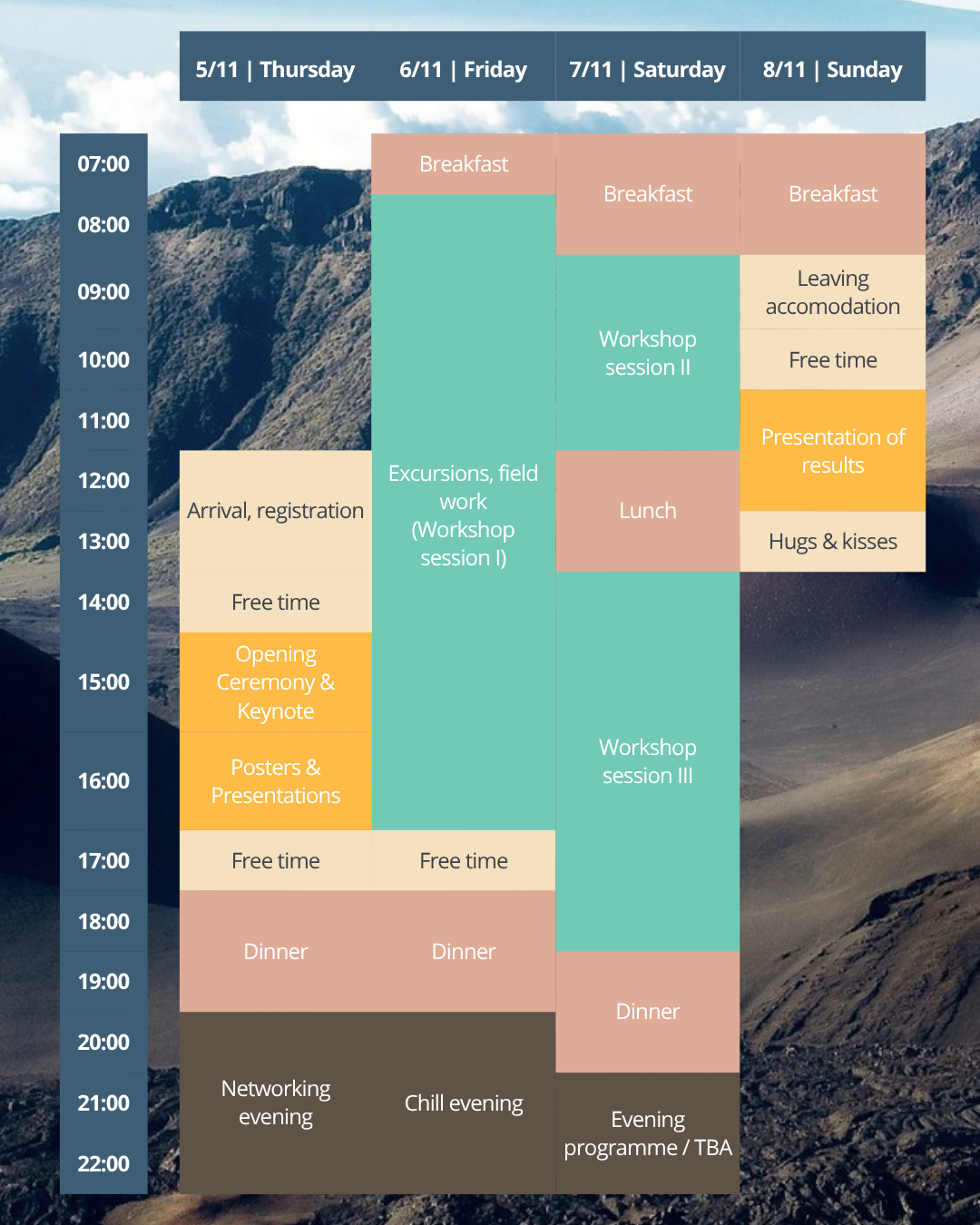
Programme
Programme is subject to change. This is a preliminary version.
How to get to Brno?
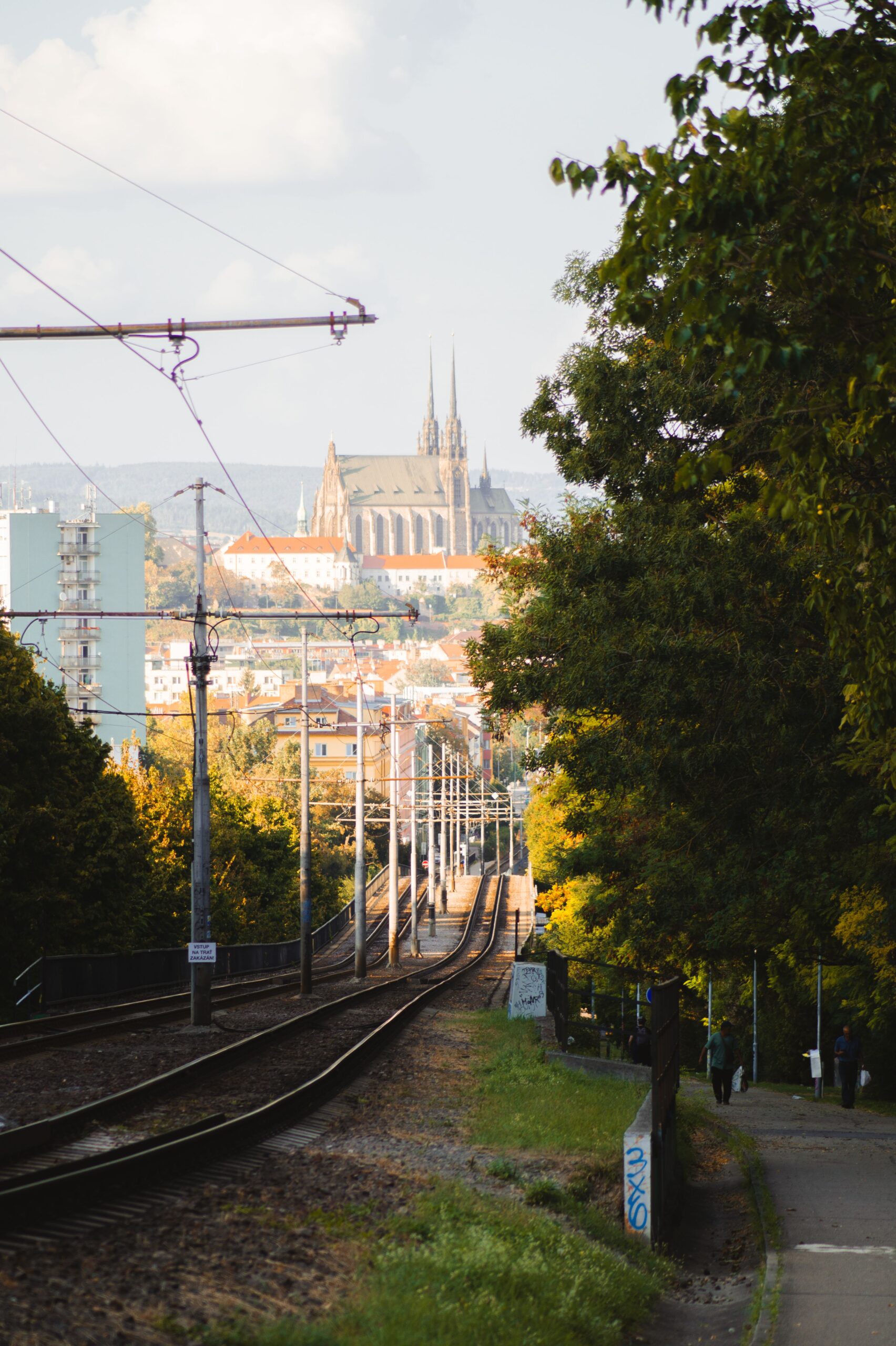
Also referred to as “Vienna-North” (by our Prague frenemies), Brno is the second largest city in Czechia. Moravia, the surrounding region, has a rich identity – revolving around wine, “koláče” pastries, folk costumes and actually speaking Czech properly.
The city is easily accessible from Prague, Vienna and Bratislava. It also has its own international airport, however we urge the participants to be mindful of the environment and opt for other forms of transport if possible (especially given the central location of Brno).
Public transport in the city itself is cheap and easy to use, only requiring to tap in and tap out and costing about 1 EUR per ride.
The participants will be provided with public transport tickets for the duration of the conference.
Useful links:
- RegioJet: A Czech company providing long-distance buses and trains. The buses are comfortable and sometimes have a free machine for hot drinks on board. Trains have really cheap snacks and depending on the class, even free hot drinks. Usually also among the most affordable options.
- Flixbus: Brno is a major hub for both domestic and international bus lines. The bus stop is located close to the main railway station, basically in the heart of Brno, with trams going everywhere.
- České Dráhy: The Czech railway company. Prices are also among the lowest if you get your tickets in advance.
Good news: most tickets bought in CZK can be cancelled (by you) for free up until 15 minutes before departure! You’ll usually get the value back in the form of a voucher for the same company. However, this might not apply to all international connections, so make sure to always check the conditions when buying a ticket. You can also ask the orgateam members for more info on getting the best prices.
Excursions
Measurement and evaluation of changes in the amount of fluvial sediments in a cave due to elevated water levels using LiDAR technology
Institute of Geonics, Czech Academy of Sciences: František Kuda, Pavel Bedáň
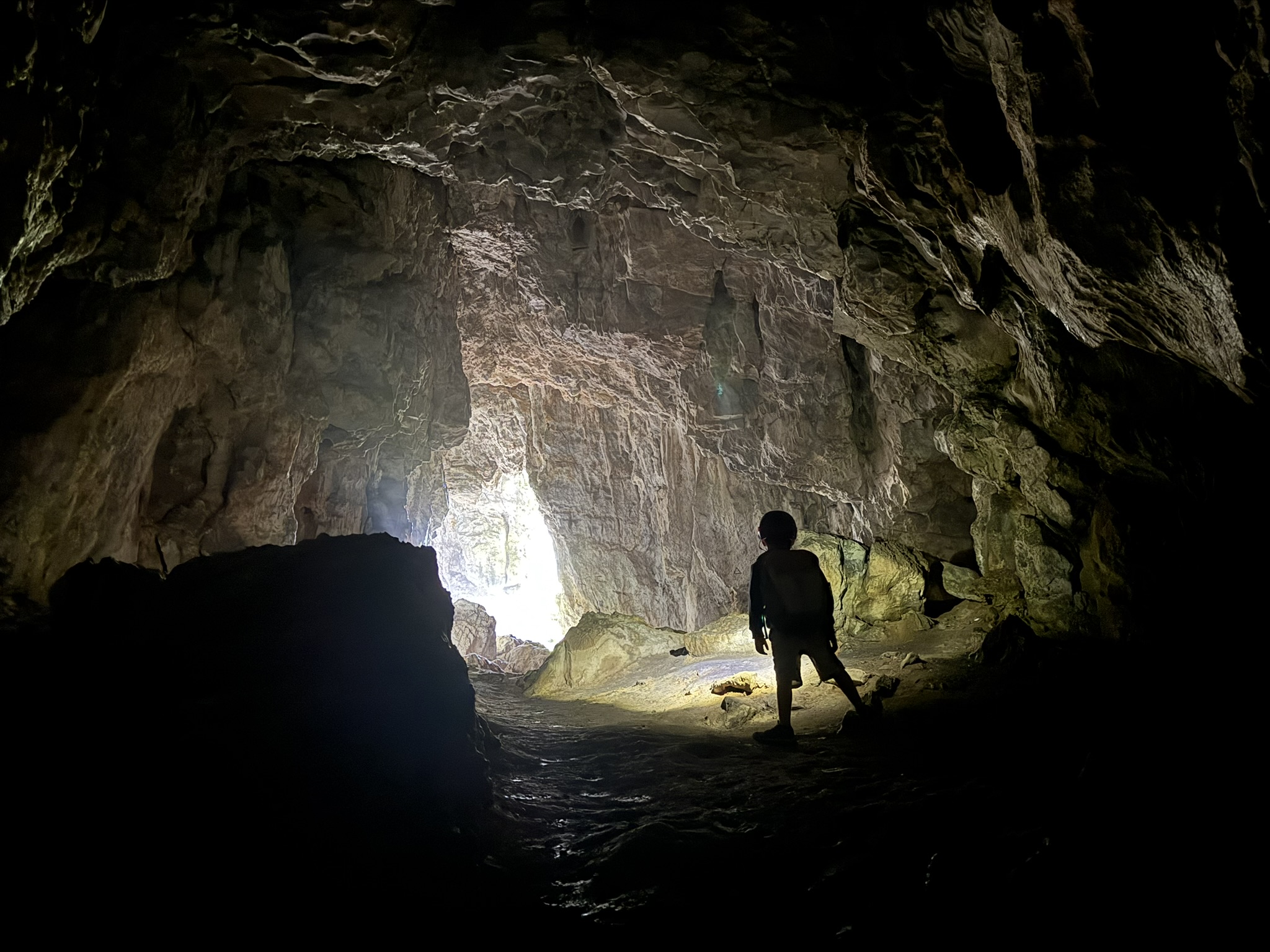
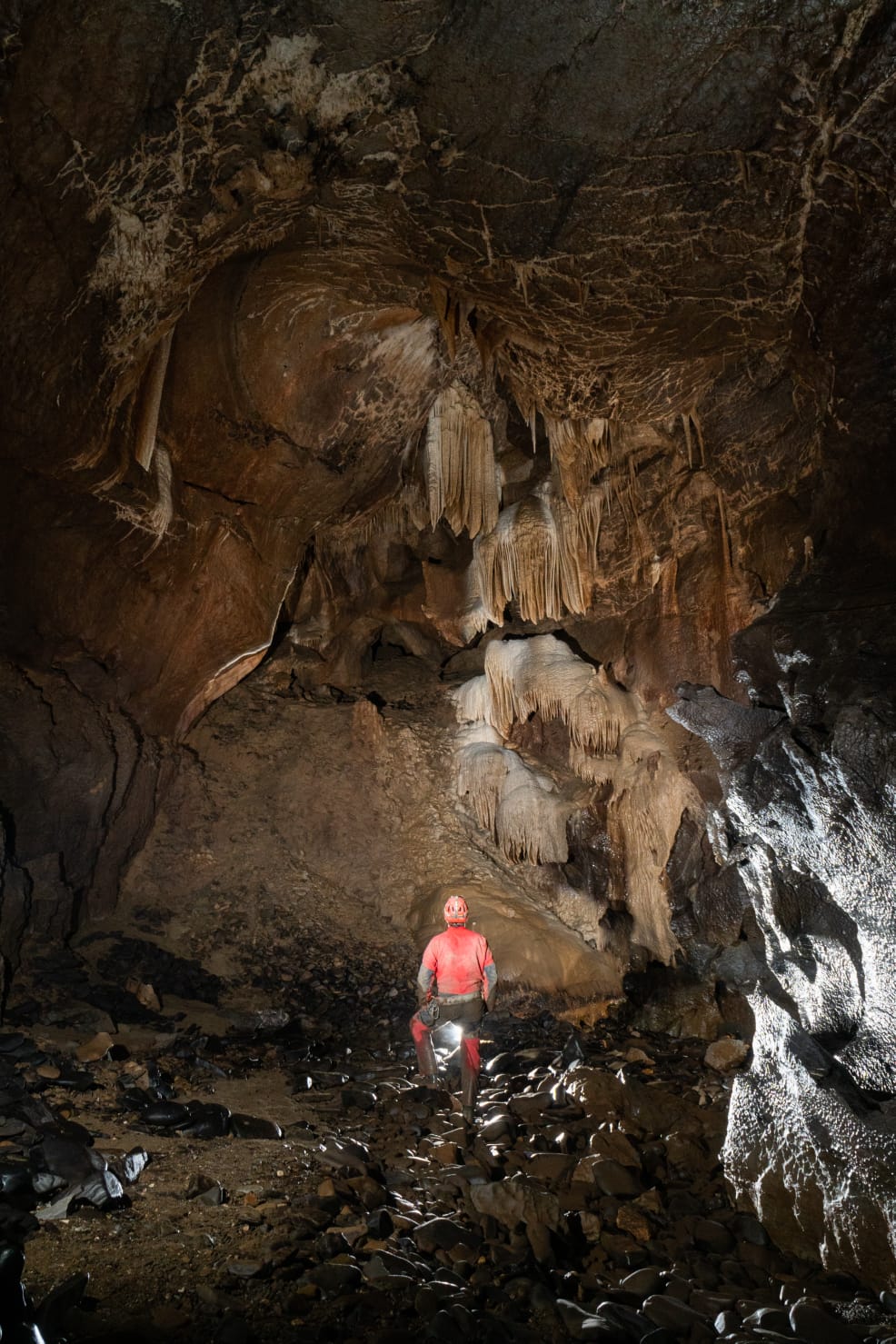
Explore caves in the Moravian Karst using lidar technology. During the excursion, you will see how the landscape looks like and learn more about the processes taking place in karstic environment. As part of this research topic, field measurements will be carried out in a section of the Sloup Caves with limited public access, through which the Sloup Stream flows when water levels are high. The measurements will be taken using a static terrestrial laser scanner, and the results will be compared with repeated scans of the same area that allow us to estimate the change of amount of fluvial sediments in the caves that are related to higher water levels. The data will be processed in CloudCompare.
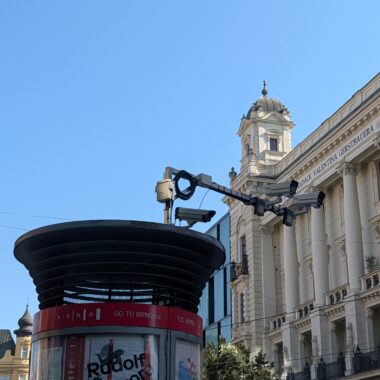
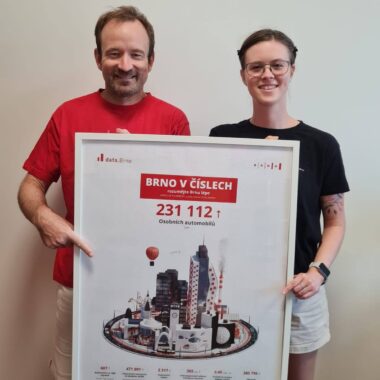
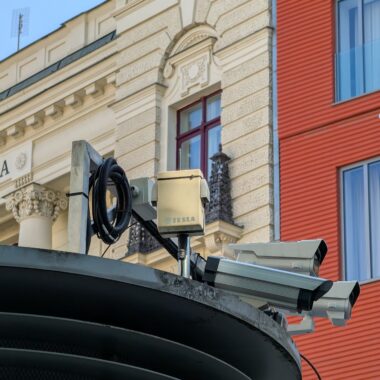
How Does Brno Count Pedestrians? Traffic Sensors in the Historic City Centre
The Brno Municipality Office: Barbora Šípková, Jan Zvara
Explore Brno’s historic city centre and discover how the city uses sensors to monitor the movement of pedestrians, cyclists and cars, as well as parking space occupancy. The workshop will include a short field trip through the historic city centre and its immediate surroundings, where you will see different types of traffic sensors in action. You will collect data by manually counting passers-by, compare your results with sensor data and estimate pedestrian flows in nearby streets. You will then process the data and create your own visualisation using for example Excel, Power BI, Python or ArcGIS Online, while also exploring how the collected data can be used for further analysis.
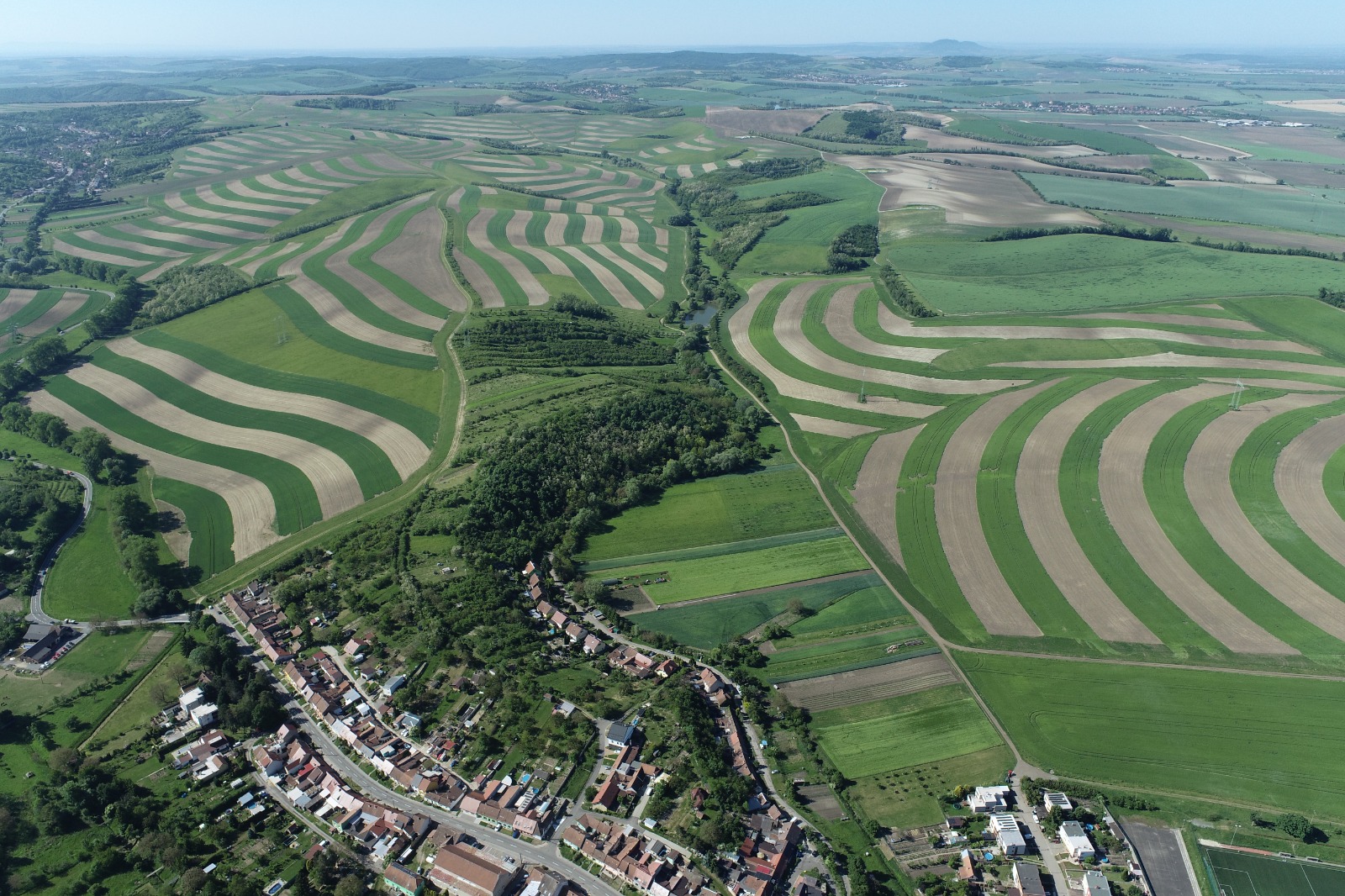
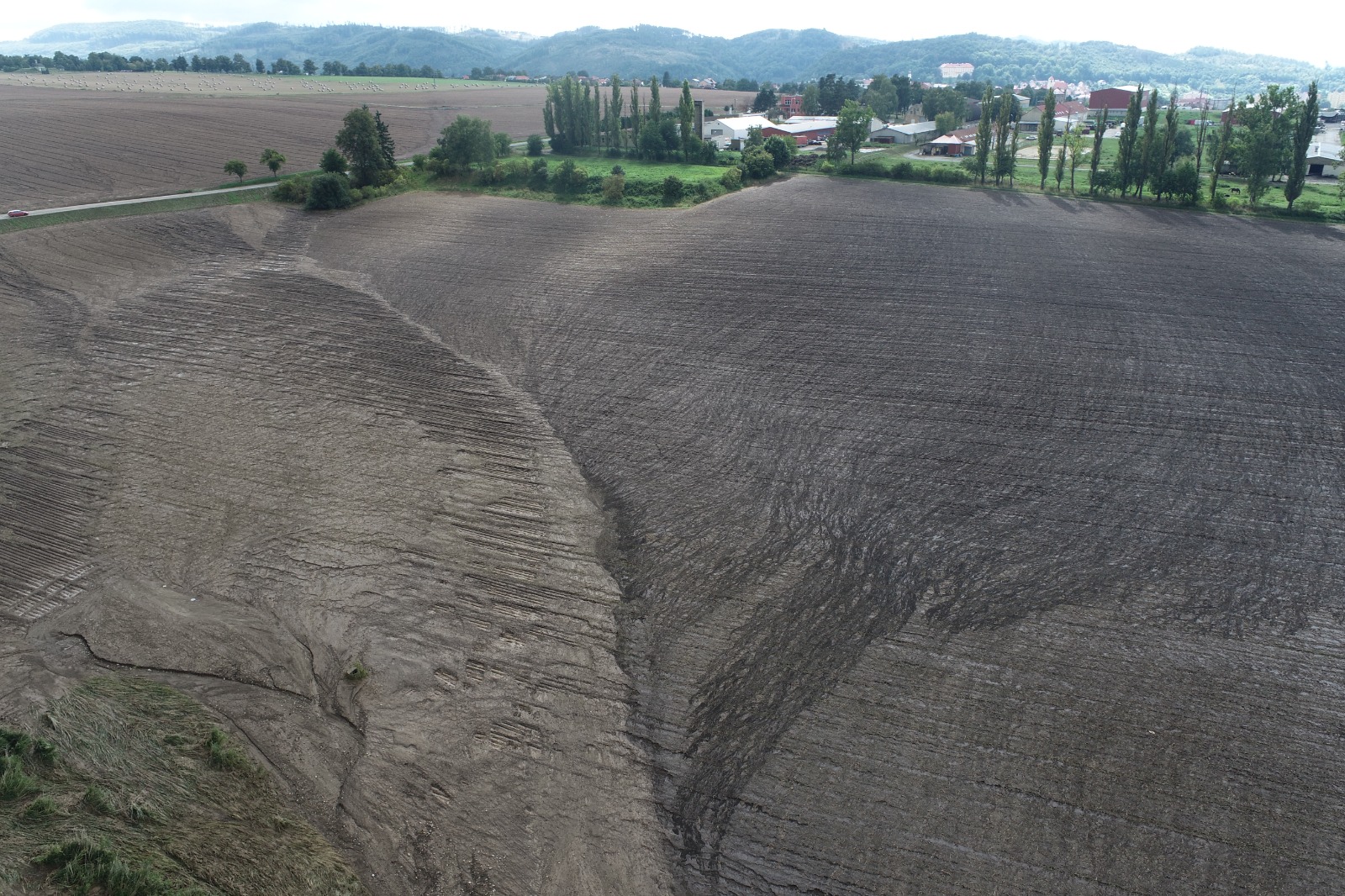
The workshop will focus on flash floods and water erosion of agricultural land as closely interconnected processes that can significantly affect landscapes, settlements, and transport infrastructure. During the first day, participants will visit selected sites in the wider Brno area, learn about the specific features of arable land management in the Czech Republic, and assess examples of both good and inappropriate practices directly in the field. Particular attention will be paid to locations where intense rainfall may lead to rapid concentration of surface runoff, soil loss, and subsequent damage. The second day will be devoted to group work with spatial data and observations collected during the field excursion. Participants will be introduced to the critical points methodology, a GIS-based approach used to identify locations potentially threatened by problematic concentrated surface runoff from the surrounding landscape. Within a selected study area, the groups will assess runoff and erosion conditions, calculate basic characteristics of the affected areas, and propose suitable flood and erosion mitigation measures.
Flash floods and water erosion of agricultural land as environmental hazard
T. G. Masaryk Water Research Institute: Martin Caletka
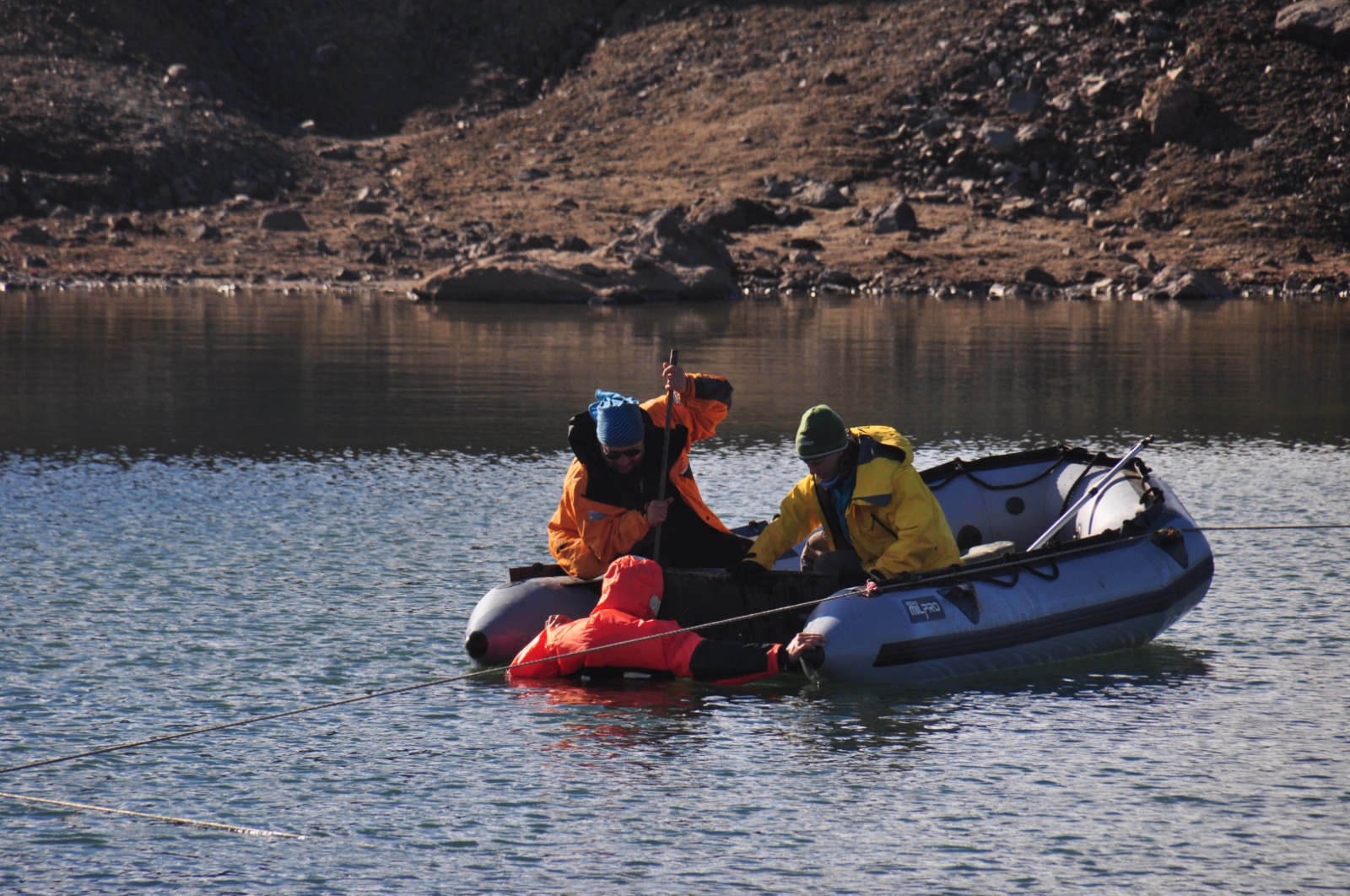
Applied Paleolimnology: First Steps in Exploring Polar Lakes
Czech Antarctic research Programme: Matěj Roman
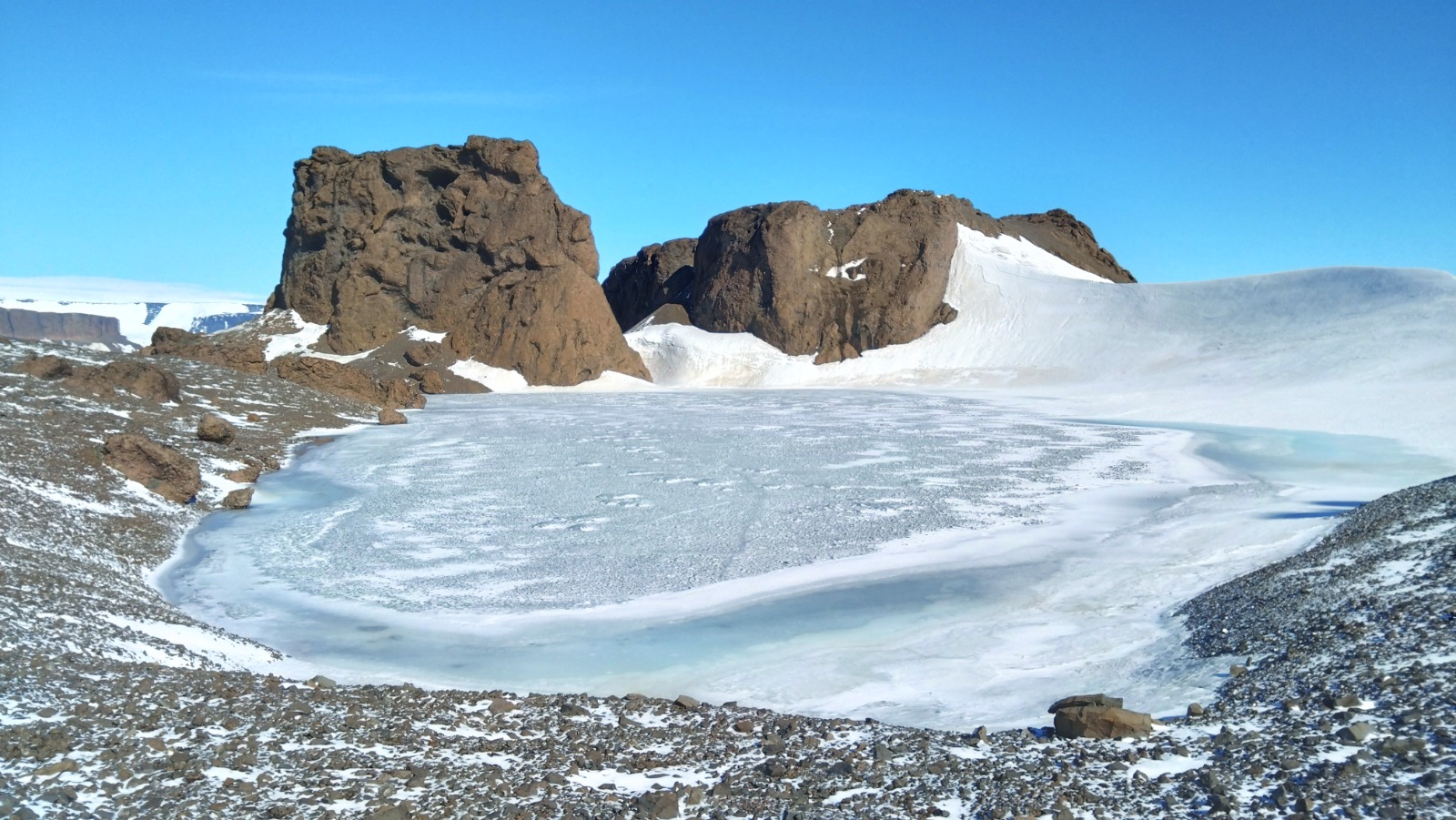
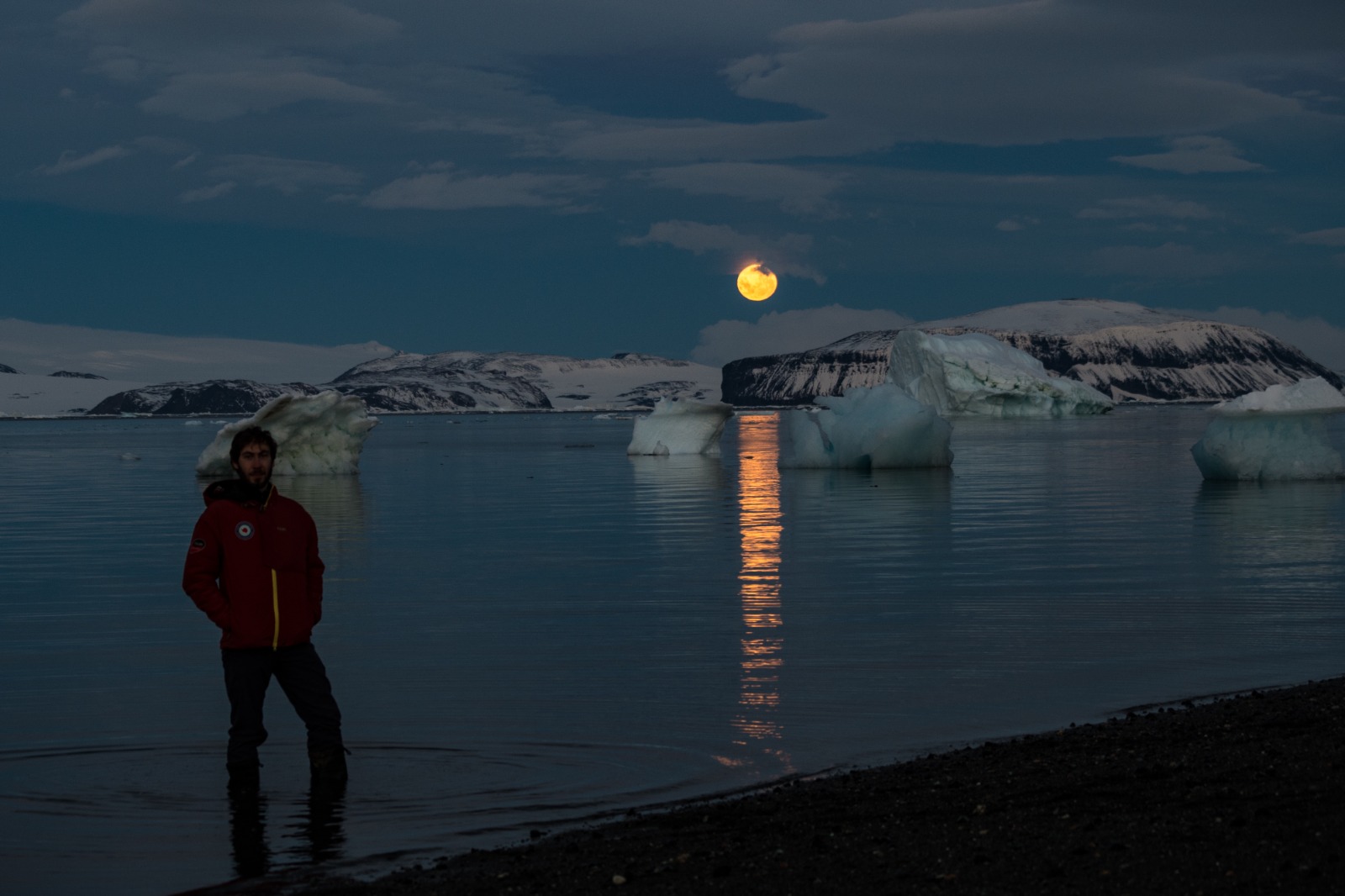
Reconstructing past climates from natural archives such as lake sediments requires a foundational understanding of modern lake morphology and limnological environments prior to sediment core analysis. This excursion and data workshop introduces how foundational limnological methods advance our understanding of climate and lake evolution, using the Brno Reservoir as an analogue of cold polar lakes (studied by our Polar-Geo-Lab) – because the field work will take place in chilly November. You will obtain bathymetric data with boat-based sonar alongside chemico-limnological profiling. During the second day, the workshop with spatial data processing will take place to interpolate and construct a high-resolution digital bathymetric model of the lake bed. You will also do the interpretation of lake chemistry data. The data will be processed in QGIS.
Registration
To ensure the scientific focus of the event, the registration will not be on a “first come, first serve basis”. In your registration, you will receive a short question about your motivation and experience surrounding the topics. This measure is implemented to give space to people who already have some knowledge and passion about the field.
Did you write your thesis on polar ice? Do you work with flood management data?
Anything else that would be super cool to present to other enthusiasts of extreme environments?
We’ll make sure you can participate and share your experience! 🎉
But of course, everyone is more than welcome to sign up! We love to see EGEAns of diverse backgrounds, so as long as you bring good vibes and interest in geography, we’ll do our best to also get you a spot! 🫡
Closer info will be shared in infomails. Don’t be afraid to contact the orga team in case of questions.
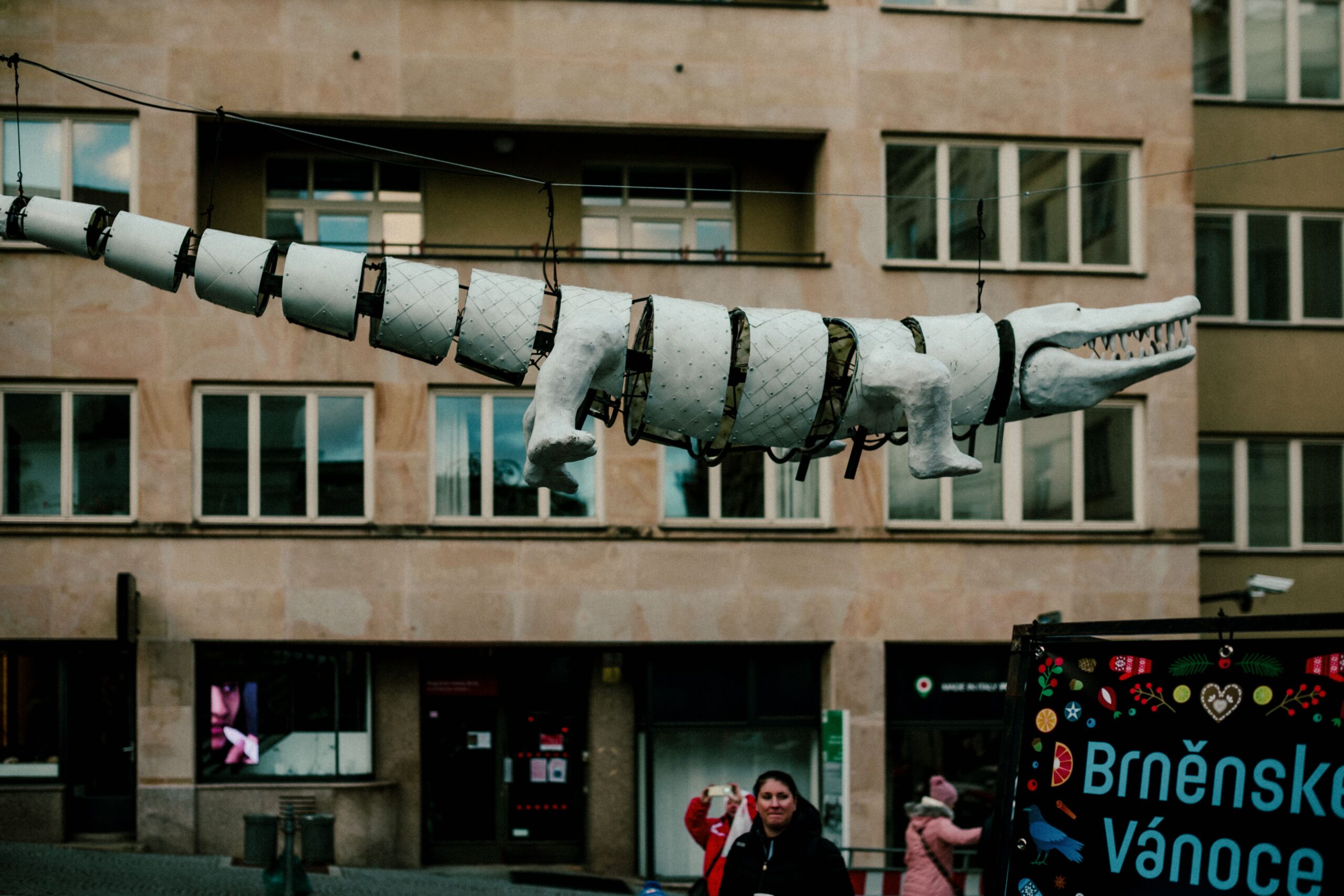
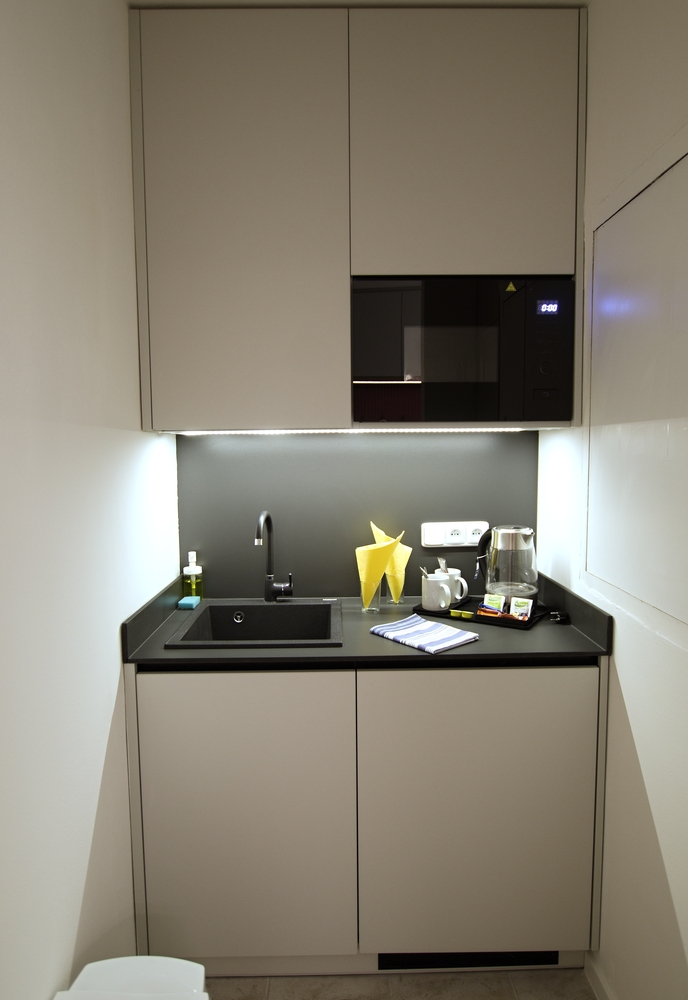
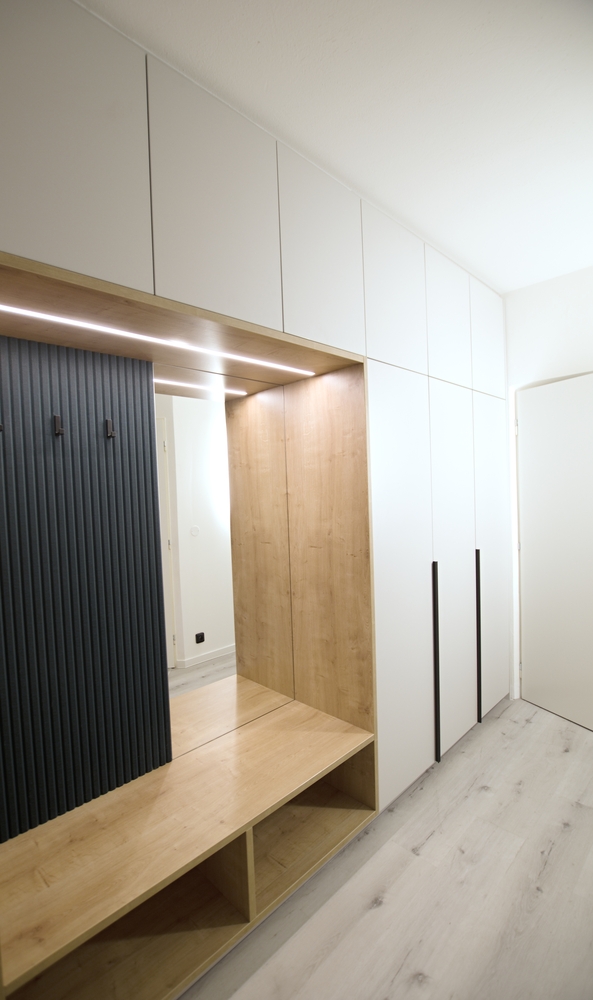
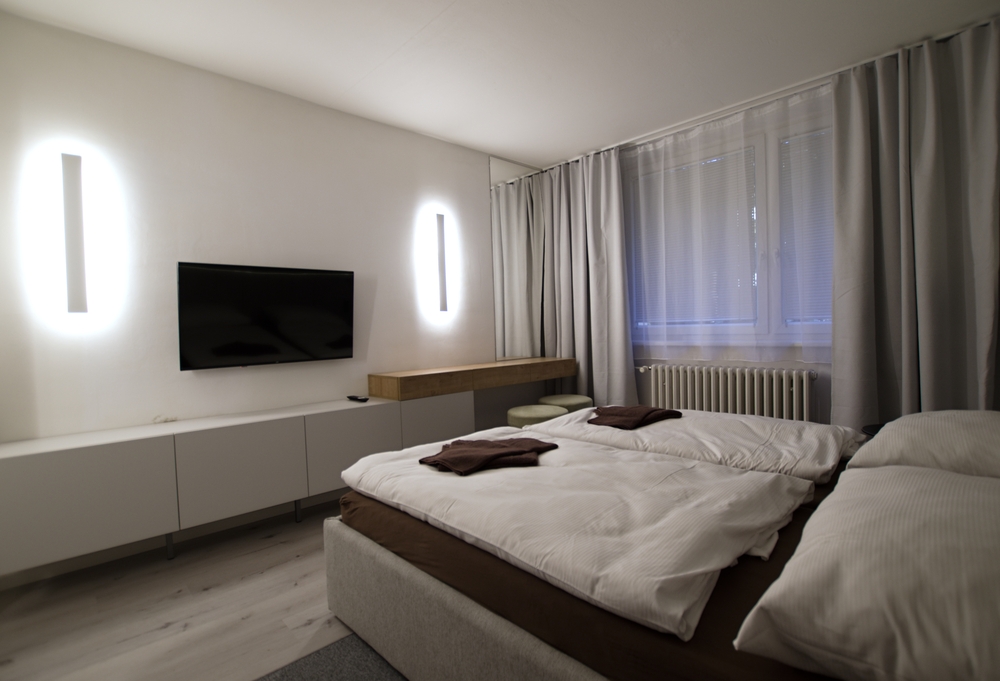
Accomodation: Kolej Jana Amose Komenského (Mendel University)
❗Due to unforeseen ciscumstances on the side of the accomodation provider, we had to find an alternative accomodation. Thank you for your understanding.
The accomodation is in a commercial part of the dorms of Mendel University. With a direct connection to the Faculty of Science (where most of our programme will take place), it is a nice and convenient place to stay.
More info on specific room capacities and other details will be presented through infomails.
You can check out their website here.
See you somewhere in Brno in November! 🧡