

EMRC 2026 – PERIPHERY
27 April from 16:00 to 1 May from 12:00 Europe/Riga
Organised by EGEA Tartu & EGEA Vilnius
We believe that in the periphery, people find community and strength from each other, different fields of science find ways to interlink and create breakthroughs, necessity brings innovation and local cultures thrive.
With this congress, we want to draw attention to an overlooked region and let its complex legacy and stories of foreign powers, diverse cultural influences and resilient identity in the face of persecution be heard. The periphery here is not some margin, but a place where overlooked stories can finally be heard.
75 participants
Location
In the center of Baltics, Latvia is ready to welcome EGEA again after some time away to bring the Baltic geography community back together.
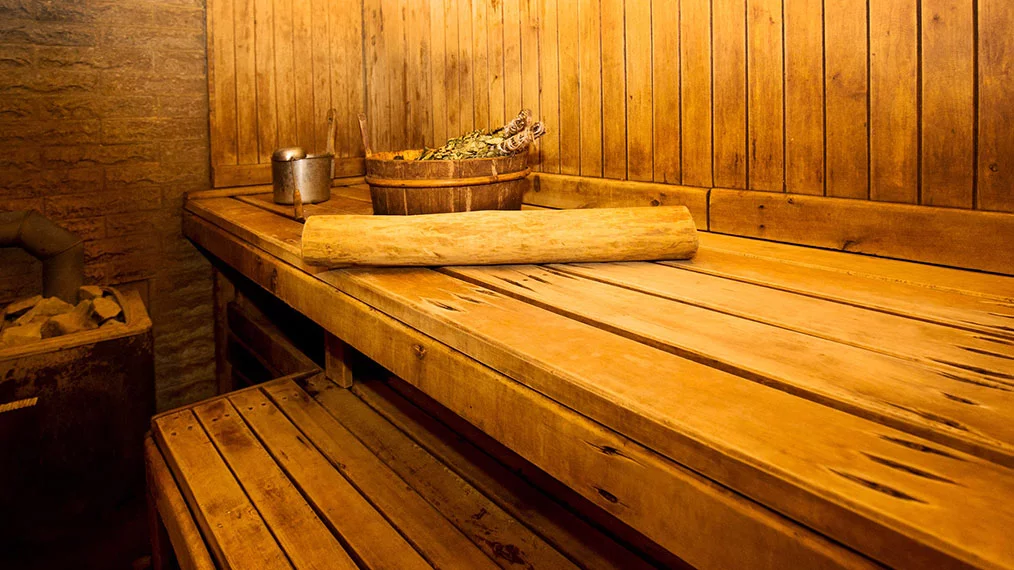
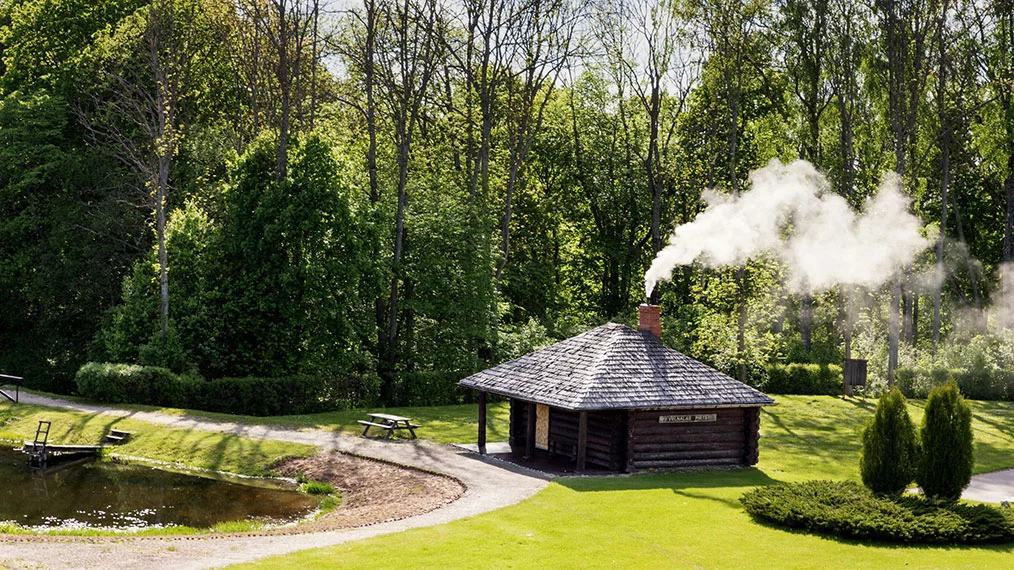
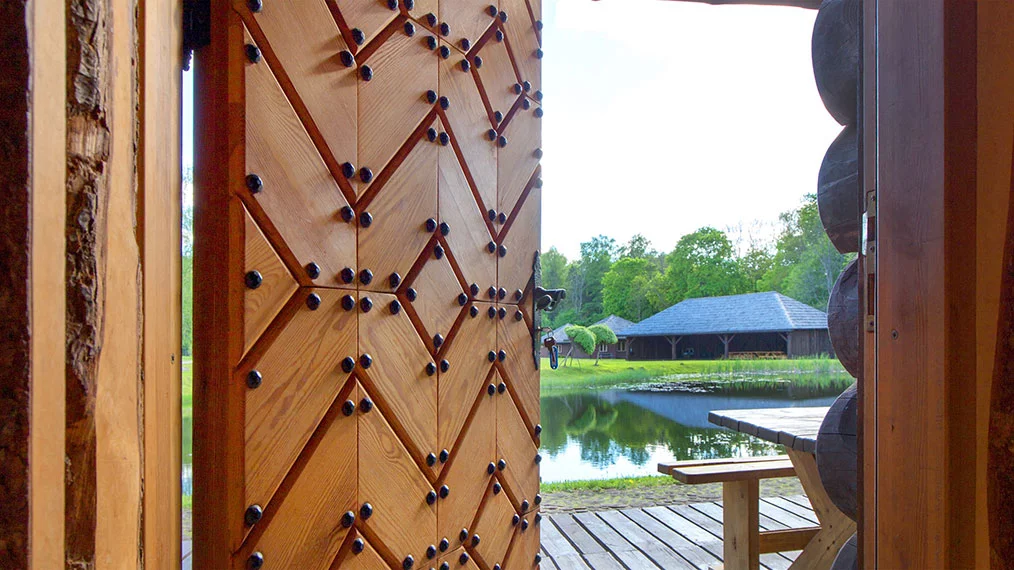
We welcome you in so called ‘Switzerland of the Vidzeme Region’ or – Sigulda. The accommodation is located in Gauja national park and has lovely cottages, a sports field, a big common house, and most importantly a sauna with a pond.
75 people are welcome to join us in the countryside to participate in workshops, excursions and evening programme.
Find out more about our accomodation BRŪVERI here.
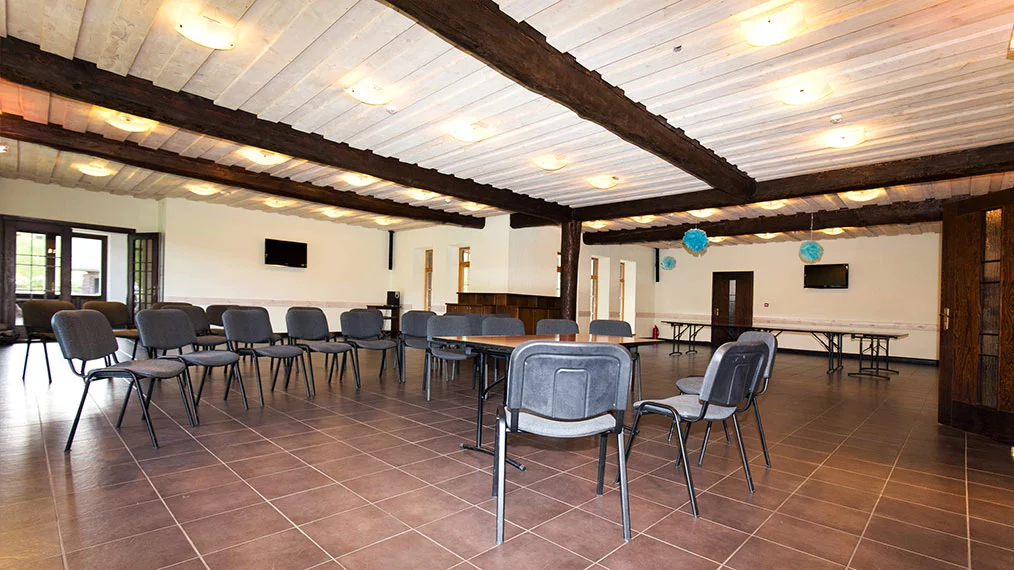
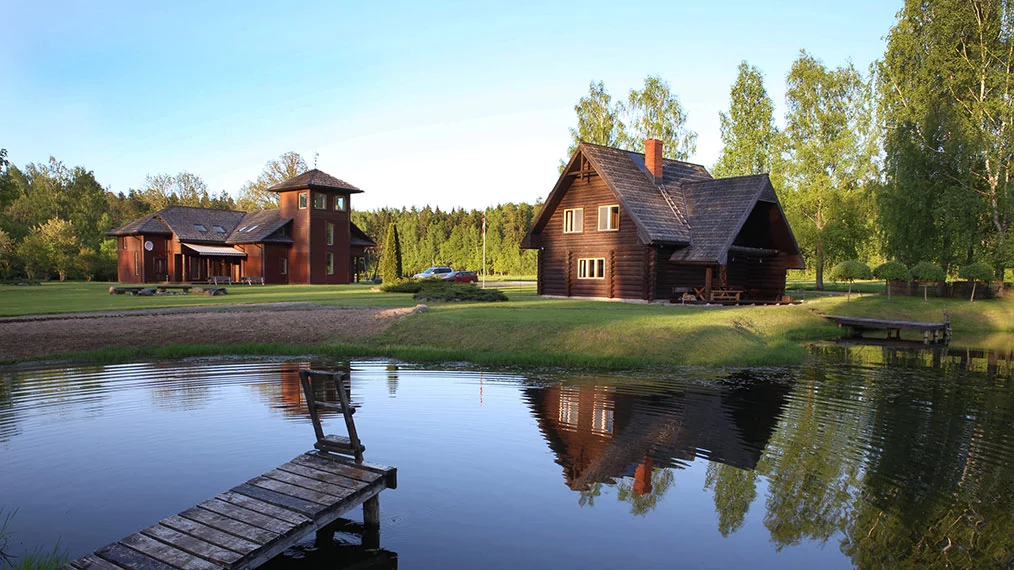
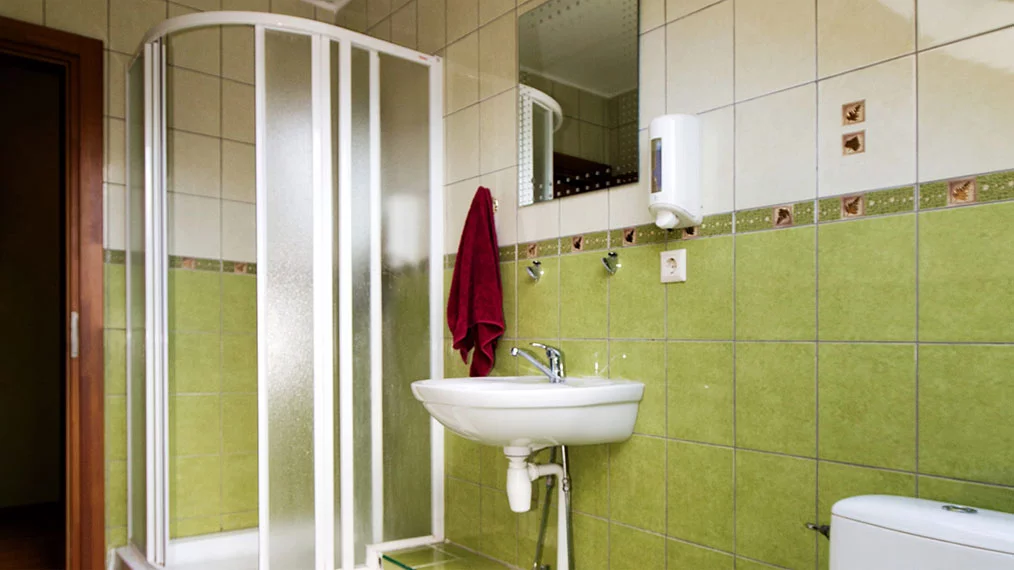
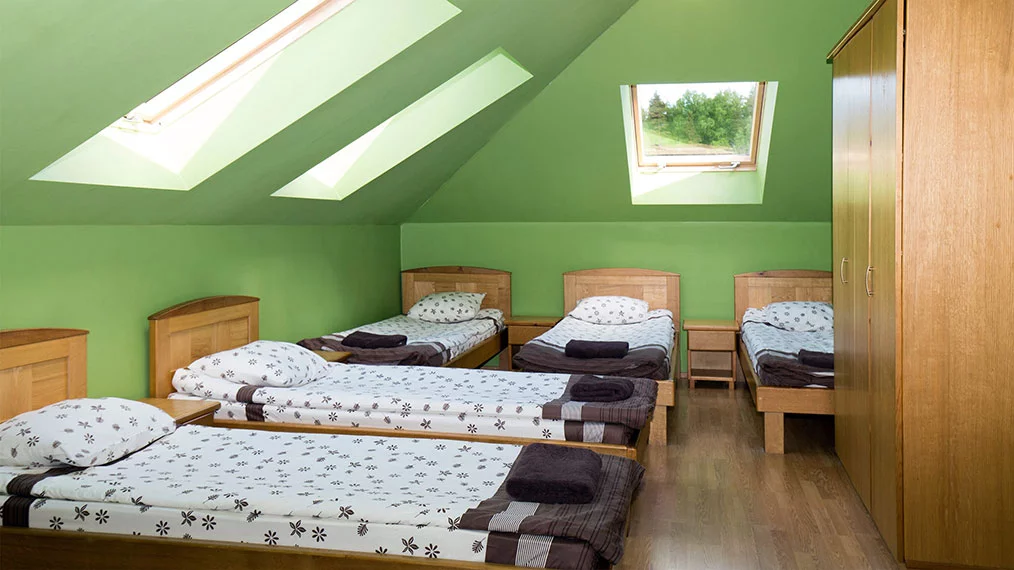
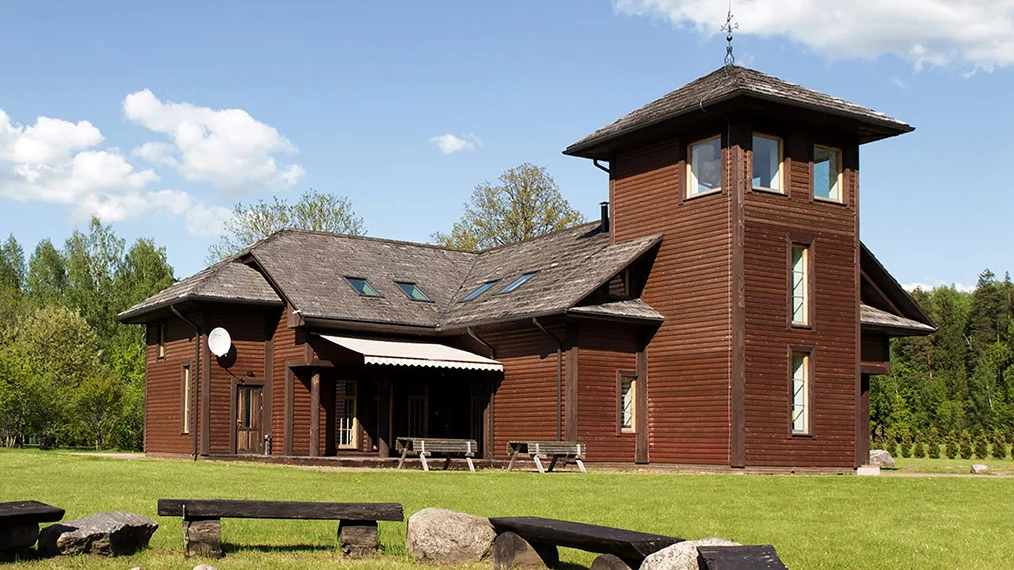
How to reach the accommodation?
We suggest travelling first to Sigulda.
We encourage you to choose green travel options to help minimise our carbon footprint.
You can take the train to Sigulda:
🚅 directly from Riga (45 min to 1h 30 min)
🚅 from Tartu (3h), Tallinn (5h to 5h 30min) or Vilnius (5h 30min).
See Latvian train timetables here
See trains from Estonia here (use your ISIC card for student discount)
See trains from Lithuania here (use your ISIC card for student discount)
🚌From Riga, there are also direct buses to Sigulda (1h).
To reach Riga, we suggest looking into bus options with Flixbus or LuxExpress from Poland and the Baltics.
✈️ If you prefer to travel by plane, we recommend flying to Riga (or Tallinn or Vilnius if you would like to explore more of the Baltics).
From Sigulda, it is possible to take a regional bus part of the way towards the accommodation. Alternatively, if you enjoy being active, the accommodation is 4 km from Sigulda town centre and can also be reached on foot, partly via a hiking trail.
Programme
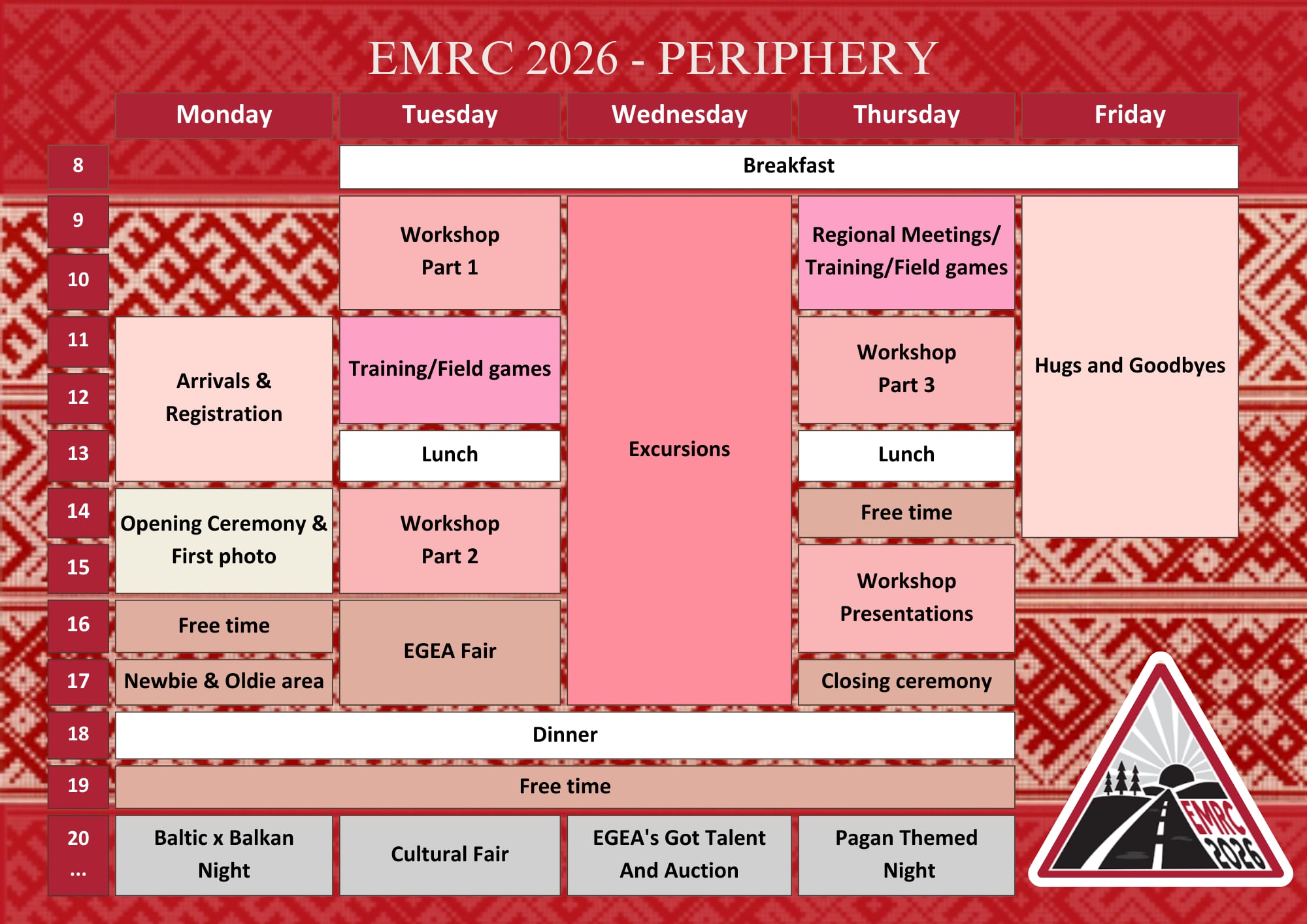
* The organisers might make changes to the programme if needed.
Evening programme
Fun evening entertainment is guaranteed every night.
workshopS
- Digging Deeper: Soils as Archives of Human History
Led by Bartłomiej Zawadzki & Anastazja Wasilewska (EGEA Toruń)
This workshop is about the soil cover of Gauja National Park and how the historical exploitation influences the landscape. During this workshop you will learn basic information about soil properties and types and understand how anthropogenic influence can change them.
- Reading the Landscape – A Geomorphological Journey in the Mediterranean (with Baltic Perspectives)
Led by Sarp Baran Kaplan (EGEA Izmir)
The main goal of this workshop is to provide participants with a comprehensive understanding of how geomorphological processes shape our physical environment and to introduce them to the scientific methods used to decipher the history of Earth. The aim is to bridge the gap between pure Earth Sciences and Geoarchaeology, showing how ancient landscapes influenced human settlements in the Mediterranean-Aegean region, while also briefly touching upon the geomorphological dynamics of the Baltic geography.
- Security & Borders in the Baltics: Life in the EU’s Eastern Periphery
Led by Olivia Deman (EGEA Leuven) & Michael Maier (EGEA Graz)
Recent years have brought significant shifts in worldwide geopolitics, and the Baltic region finds itself at a crucial juncture. To understand the current dynamics in the Baltic region, it is important to explore all the geopolitical processes shaping the region. By researching different roles, participants will try to step in the shoes of different actors from the media, civil society and governance. Afterwards, participants will exchange their perspectives by filming a fictional news segment, integrating all perspectives into a coherent video.
- Baltic Identity and periphery: How geography shapes who we are?
Led by Pierre Berthou (EGEA Lyon) & Ewen Nowaczyk (EGEA Clermont-Ferrand)
This workshop aims to introduce participants to the geographical concepts of identity and periphery through the case study of the Baltic States.
- Peripheral areas in your country – identification and solutions
Led by Julianna Bieńkowska & Wojciech Olsza (EGEA Kraków)
The main idea of the workshop is for its participants to identify peripheral or depopulated areas in their home countries and propose solutions that could improve the situation of these problematic regions. Most countries belonging to the East & Mediterranean Region have such regions, and we believe that each workshop participant will be able to name such an area in their country.
Trainings
- Mind–Body Integration: Psychological Resilience Through Movement
Led by Anna Mykych (EGEA Kraków)
This workshop focuses on developing psychological resilience, self-awareness, and leadership presence through the integration of soft skills psychology and simple physical practices. Participants will explore how stress, attention, emotions, and inner stability are connected to the body.
- Reflecting, Journaling, and Meditation – Finding Your Inner Peace
Led by Marielle Barwich & Max Wassum (EGEA Marburg)
This training focuses on mental health, journaling, and reconnecting with your inner voice. In our busy daily lives, it is often challenging to stay connected to ourselves and even harder to treat ourselves with kindness. Negative thoughts are usually much easier to follow than positive ones, and that is precisely why this training is so necessary.
- Brain battle: Chess for beginners
Led by Björn Kirchner & Teresa Conze (EGEA Marburg)
Chess Workshop for beginners.
Excursions
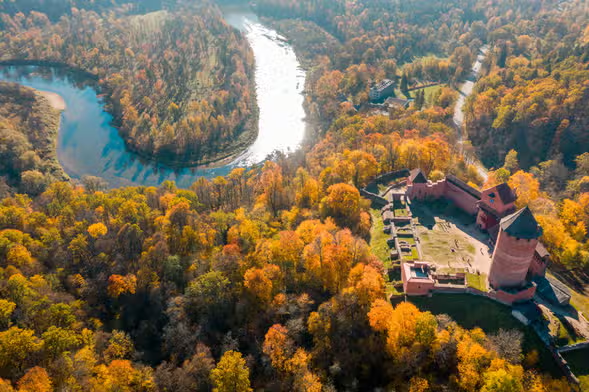
Sigulda hike along Gauja valley
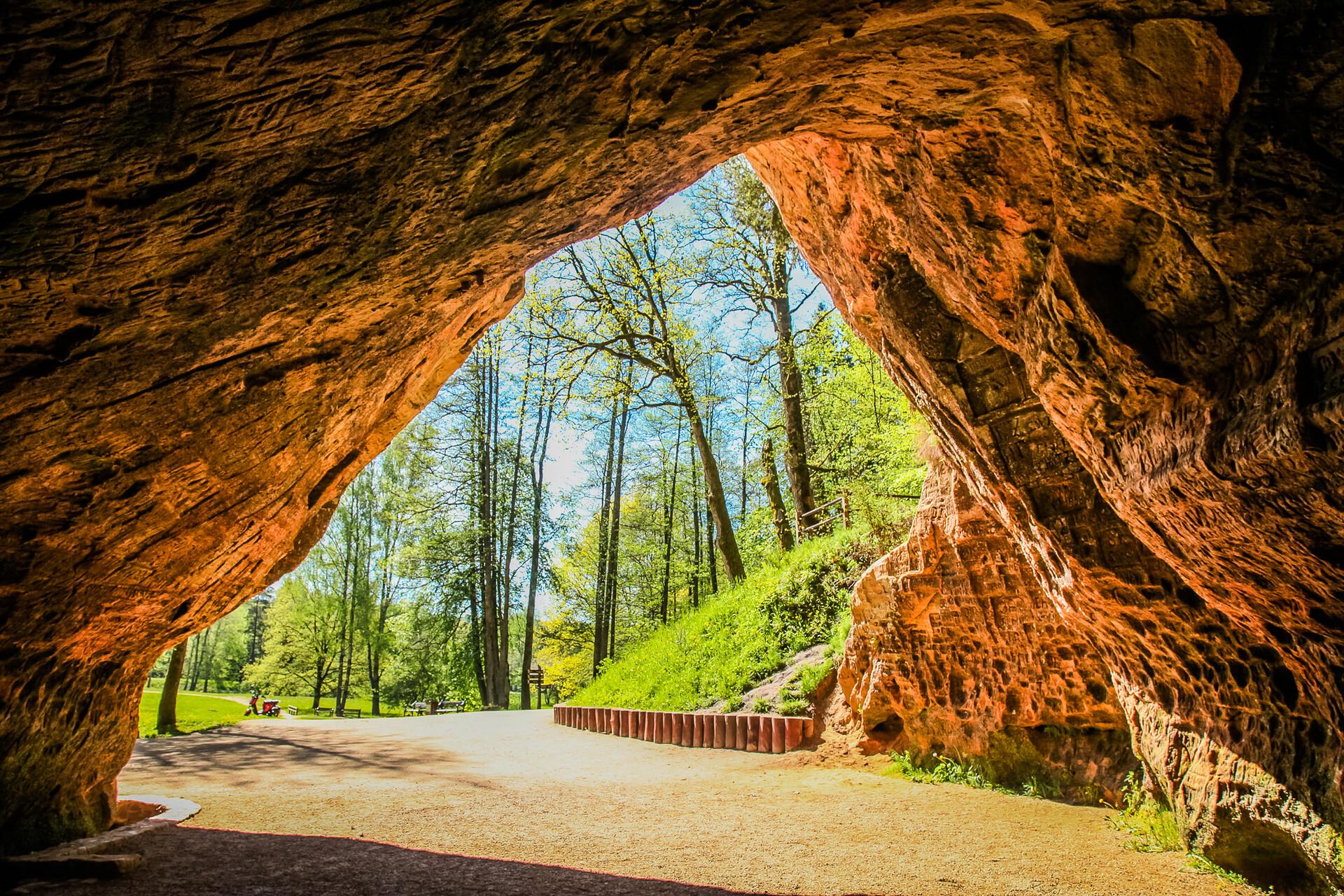
Walking tour in Sigulda
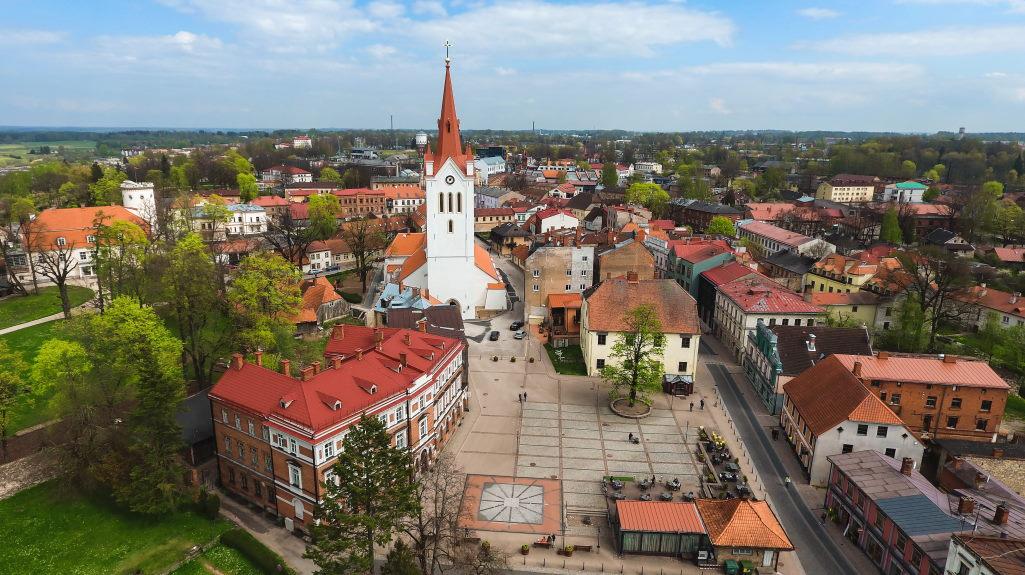
Walking tour of Cēsis
- Walking tour of Līgatne with cliffs and unique architecture (easy)
Located in the heart of Gauja National Park, Līgatne stands out in Latvia not as a medieval town, but as a purpose-built industrial settlement. It developed in the 19th century around its paper mill, which became one of the most important paper producers in the region. Unlike many historic towns that grew organically over centuries, Līgatne was shaped by industry. Its wooden workers’ houses, arranged in rows along the valley slopes, reflect a planned community where housing, work, and daily life were closely connected. During the excursion, we will visit the historic paper mill to learn how paper was produced and how industrialisation influenced both the economy and social structure of the area. The town’s sandstone cave basements, carved directly into the cliffs, were used by residents for food storage and remain a visible reminder of practical adaptation to the local environment. In addition to its 19th-century heritage, Līgatne also has a lesser-known 20th-century layer of history, including Cold War–era infrastructure hidden beneath the landscape. The excursion will also include a stop by the Amata River and the scenic Zvārtes iezis, where the river’s rapids flow beneath one of Latvia’s most striking sandstone formations.
- Scenic Sigulda hike along Gauja Valley (easy to medium)
Sigulda is often referred to as one of Latvia’s most scenic towns, situated in the valley of the Gauja River within Gauja National Park. The Gauja Valley is known for its sandstone outcrops, forested slopes, and panoramic viewpoints overlooking the river. This excursion offers two hiking options of different difficulty levels, allowing participants to choose according to their preference. Both routes lead through the Gauja River valley, passing some of the most impressive viewpoints in the area. Along the way, we will explore the natural relief of the valley, descend and ascend its characteristic slopes. The hike concludes at Turaida Castle, a medieval stone castle complex overlooking the valley. Here, participants will have the opportunity to explore the castle grounds and learn about its historical role in the region. This excursion is ideal for those interested in combining physical activity with landscape appreciation and historical context.
- Walking tour of medieval town Cēsis (easy)
Cēsis is one of the oldest towns in Latvia, with origins dating back to the 13th century. It became an important medieval center during the Livonian Order period and retains a clearly recognizable old town layout. The narrow streets, market square, and historic buildings reflect centuries of urban development and make Cēsis one of the most atmospheric historic towns in the country. A central highlight of the excursion is the visit to Cēsis Castle, widely regarded as one of the best-preserved medieval castle ruins in the Baltic region. Visitors can explore the remaining towers and walls, gaining insight into medieval defensive architecture and the political importance of the site. The excursion also includes a visit to Ērgļu klintis (Eagle Cliffs), one of the longest sandstone cliff faces in Latvia. These cliffs rise along the Gauja River and provide an impressive example of the region’s geological formations. The combination of urban medieval heritage and nearby natural landmarks makes Cēsis a balanced choice for those interested in both history and landscape.
- Hike along the Vidzeme Seaside (medium)
The Vidzeme coast in northern Latvia offers a diverse view of the country’s coastline. Unlike the long sandy beaches often associated with Latvia’s western coast, this region has sandy strips, rocky beaches, coastal meadows, and sandstone outcrops. The landscape along the route changes significantly, illustrating the diversity of Latvia’s coastal nature. During the excursion, we will see sandy beaches formed by waves and wind, rocky shores created by glacial activity, and open coastal meadows where unique plant and bird species can be found. The diversity of the terrain makes this area particularly suitable for those interested in coastal geography and nature. The highlight of the cultural excursion is a visit to the Ainaži Maritime School Museum in the border town of Ainaži. The former maritime school played an important role in the development of Latvian maritime traditions in the 19th century. The museum provides an insight into Latvia’s maritime heritage and the education of sailors and ship captains. This excursion combines nature exploration with an understanding of the history of Latvia’s coast and sea.
Why us?
Our team is committed and experienced in organising events. We organised the North & Baltic Congress in 2023 and 2024. For the past 12 years, we have continued the Baltic Weekend tradition, organising it on a rotating basis between Lithuania and Estonia each year. In 2024, the event took place in Latvia again. We therefore have the experience needed to organise a fun East & Mediterranean Congress in Latvia.
If you have any questions/ideas, please do not hesitate to contact us at: emrc2026@egea.eu
Meet the orgateam
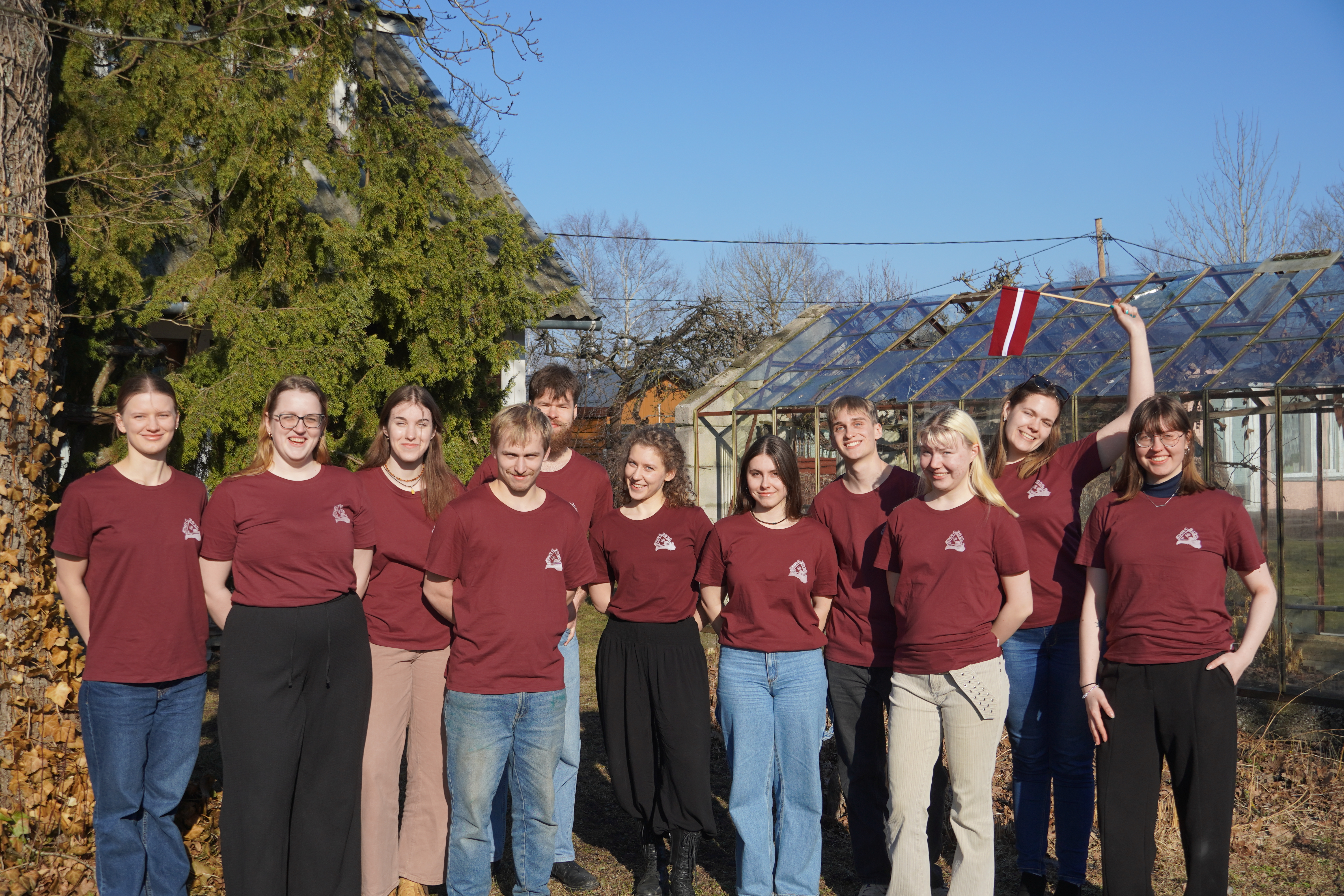 Orga team of EMRC 2026
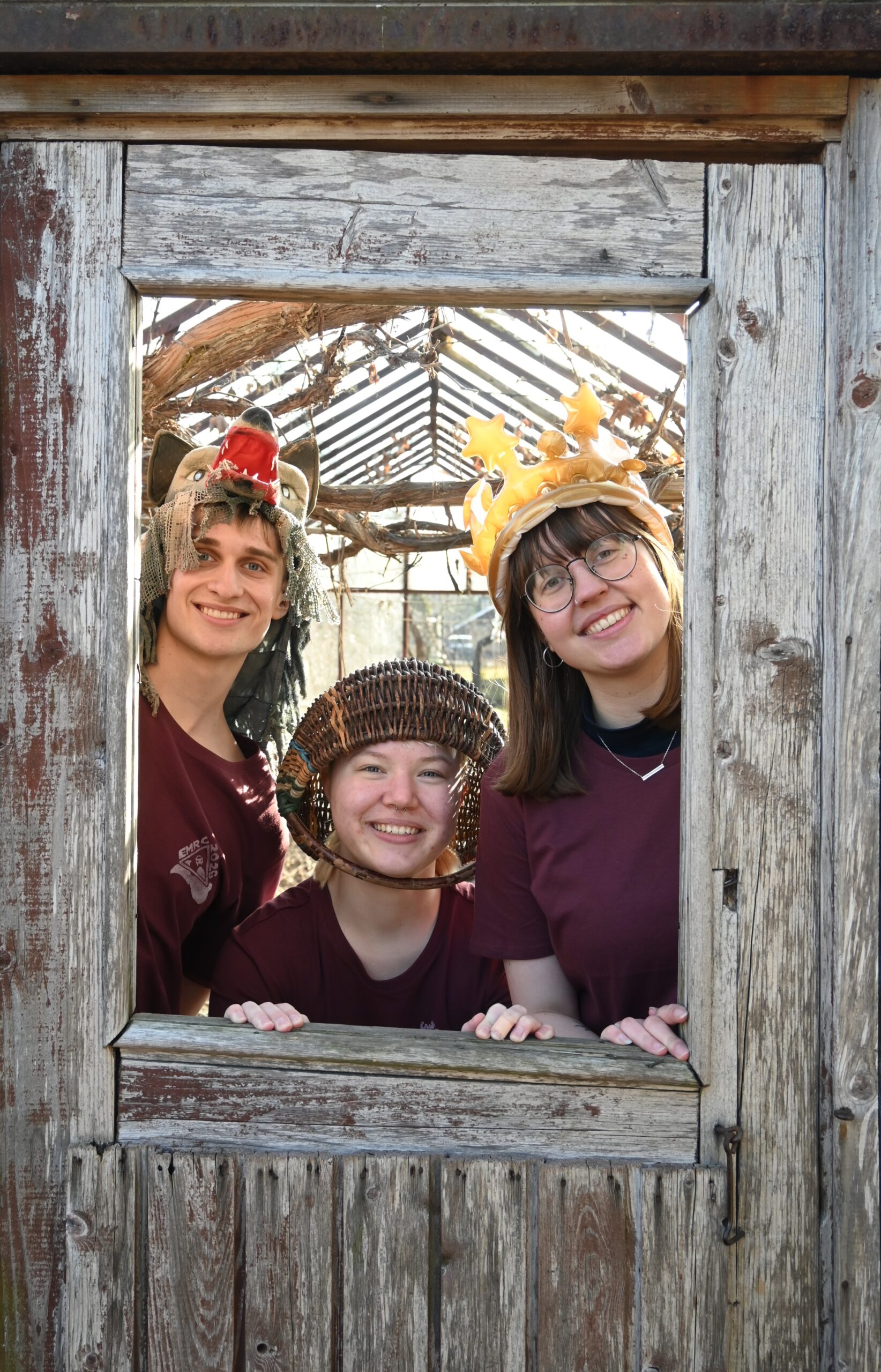 Main orga
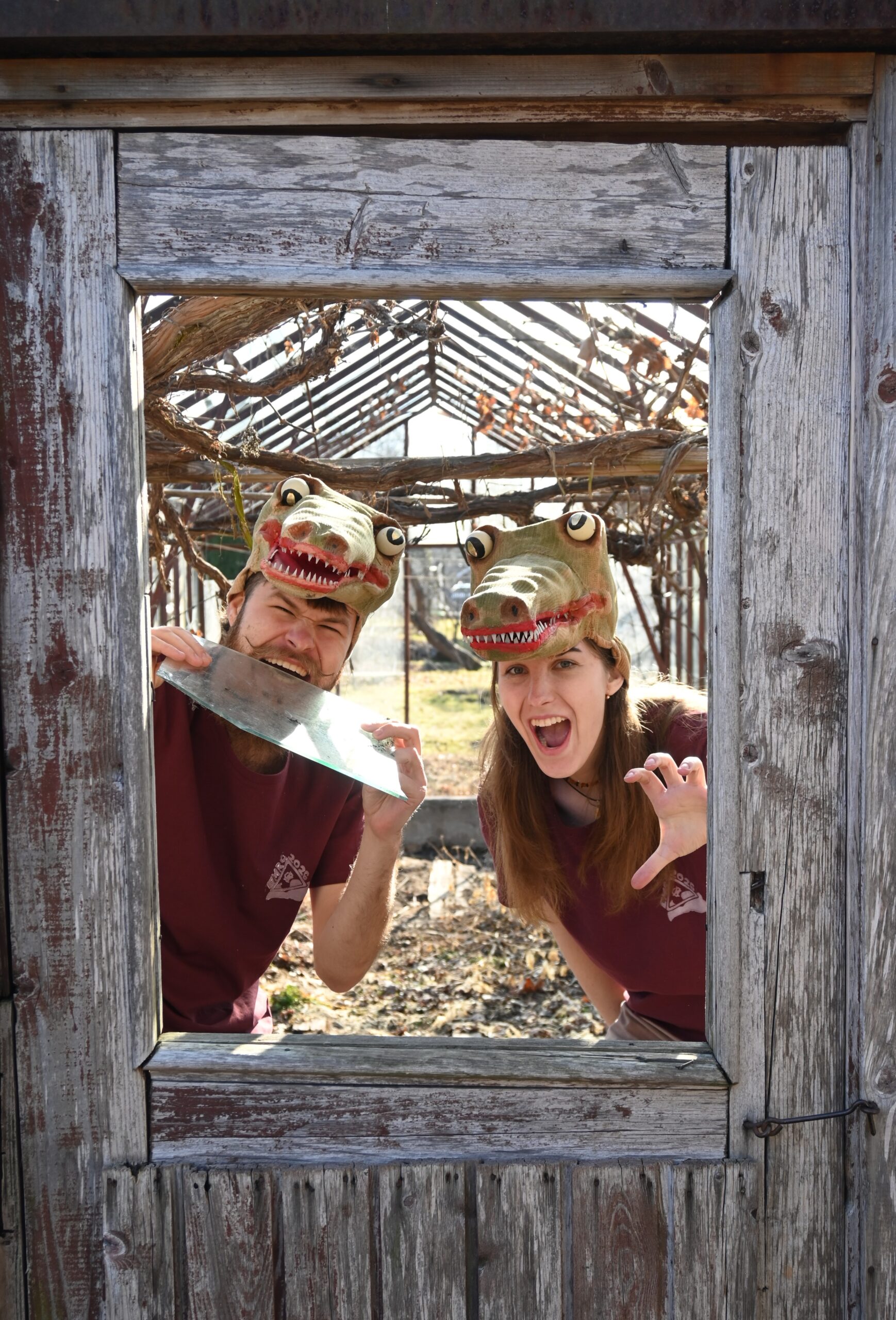 Science team
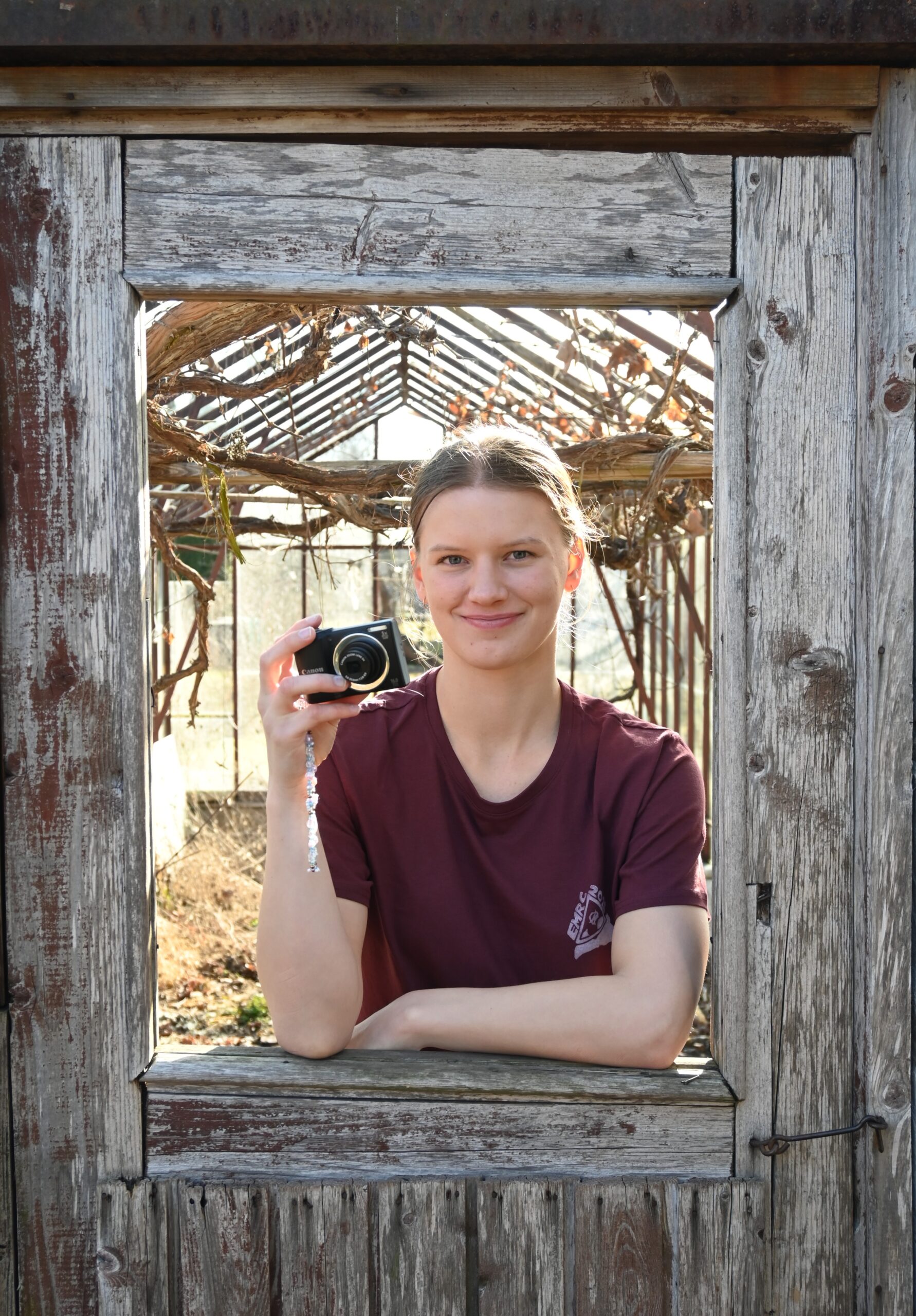 Media team
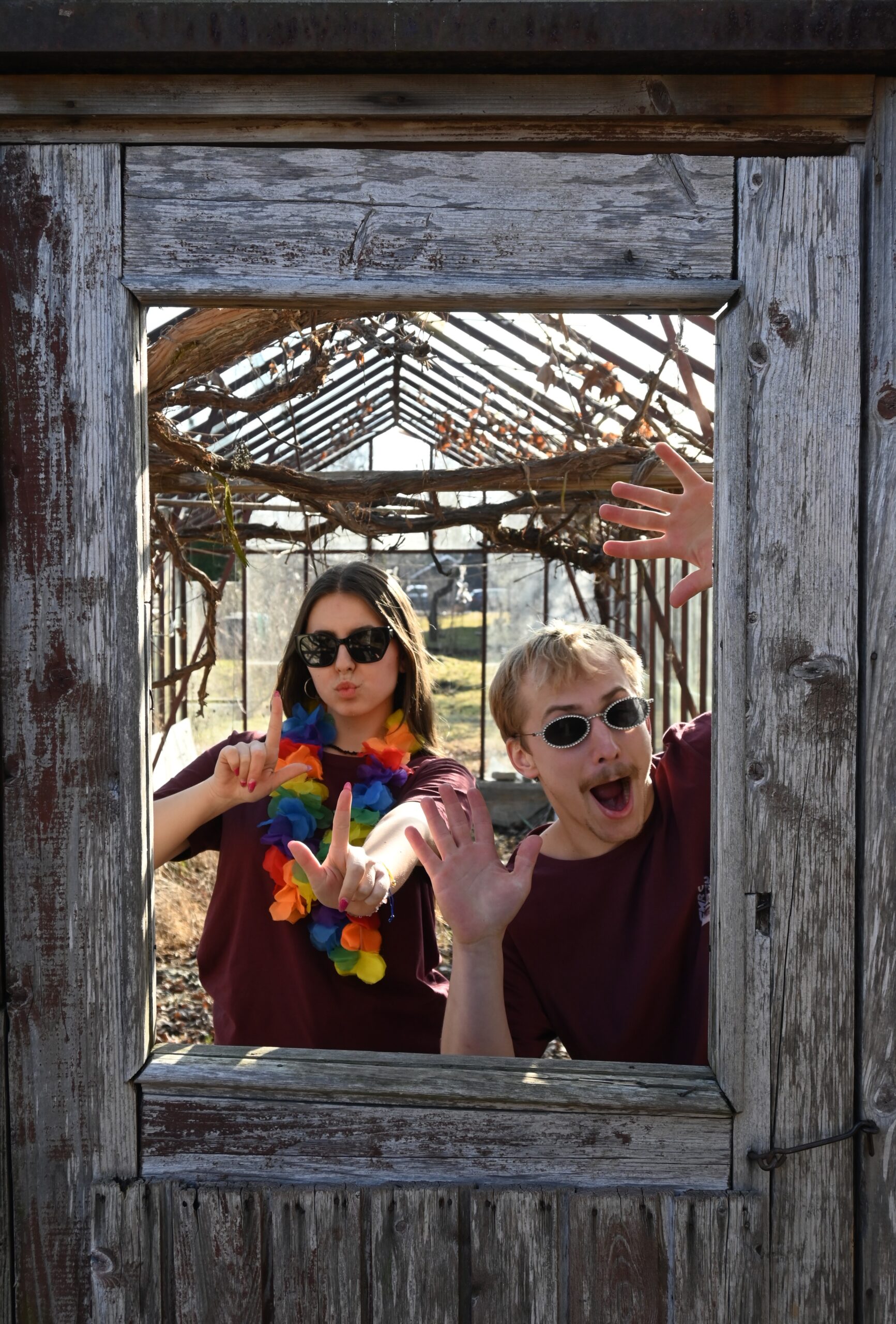 Programme team
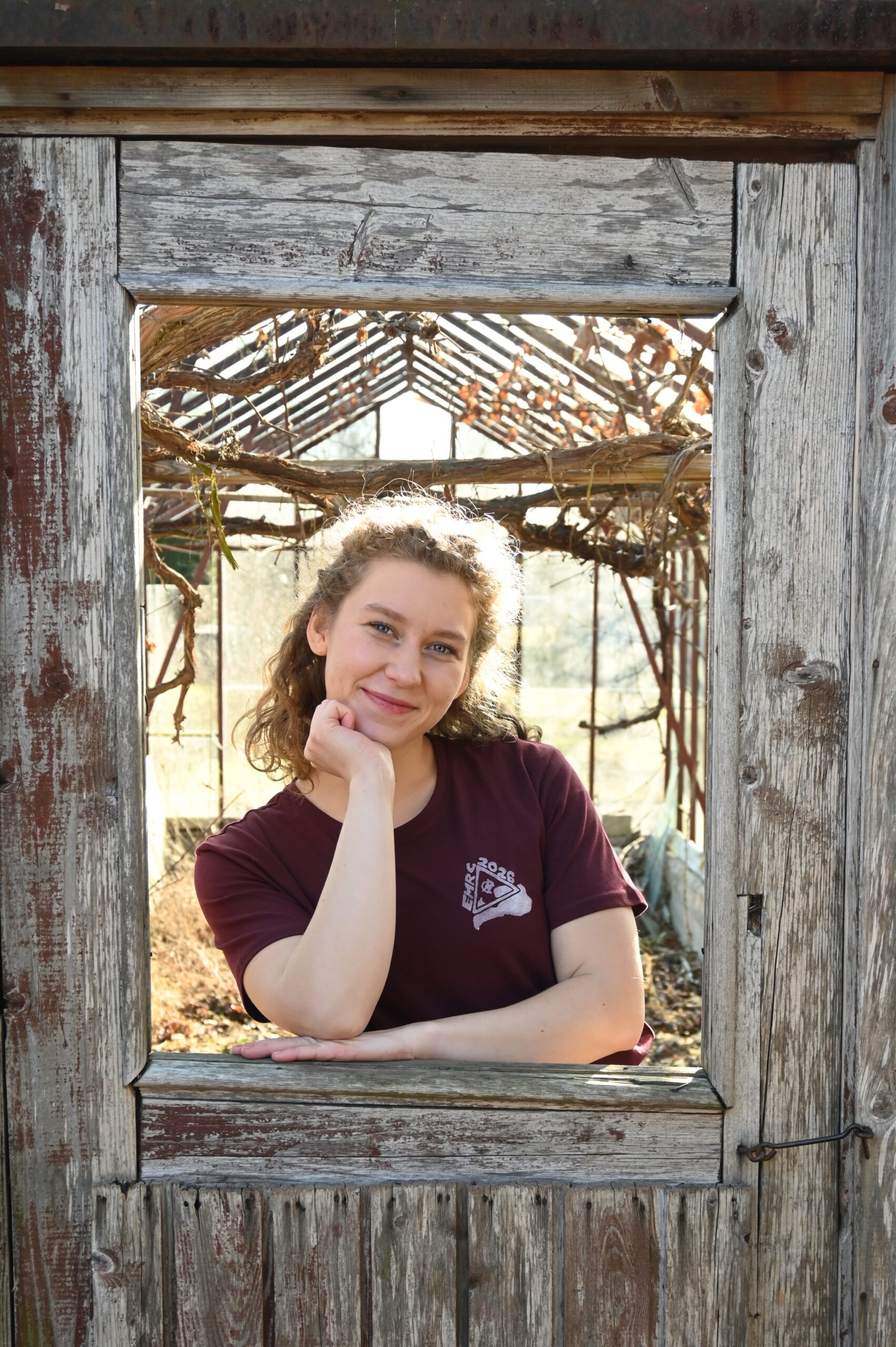 Helping hands
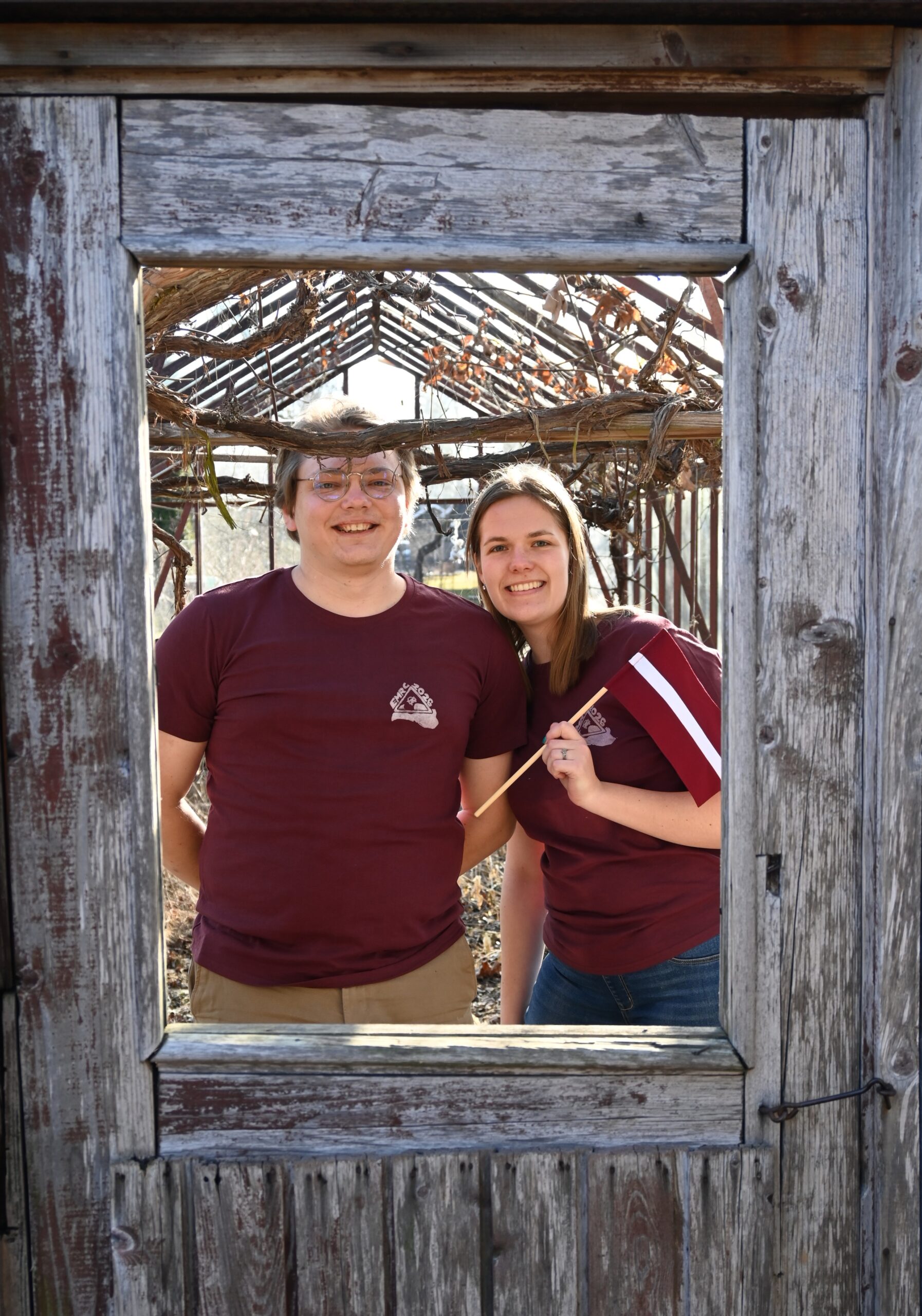 Participant team + photographer
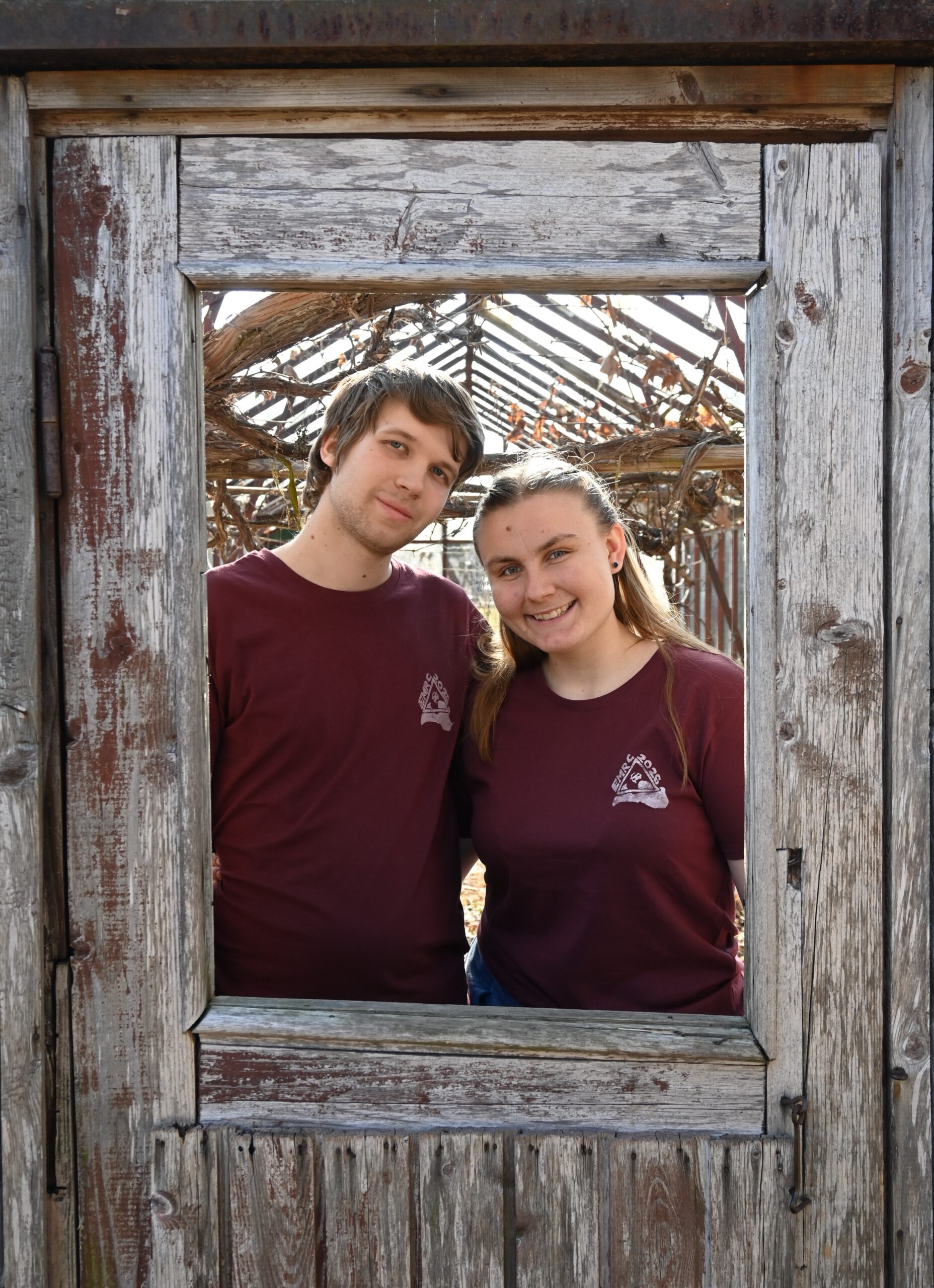 Green team + helping hands
Main orga: Jonas, Laura Heleene, Regina
Excursion coordinator: Edvards
Finance and fundraising: Regina, Artūrs
Green coordinator: Annabel
Science coordinator: Adomas, Martyna
Media, design & merch: Liis-Ellen, Mia Marie
Participant coordinator: Agnes, Livija
Day and night programme: Lauri, Lilija
Helping hands: Heli, Triinu, Hendrik, Mattias, Mikas, Gintarė and Helena